
She walked away
many years ago.
Chose overgrown trails
sun tipped wild roses
and unflinching stars
on the backroad of life.

Photo taken in Mt Rainier National Park.
She walked away
many years ago.
Chose overgrown trails
sun tipped wild roses
and unflinching stars
on the backroad of life.
Photo taken in Mt Rainier National Park.
Natural beauty, serene
sits in aura of pine tree wisps.
Feathered creature.
Brown, taupe,
shades of ebony and white.
Round face pivots not.
Stoic eyes stare
as voyeur camera
takes its shot.

Amazing photo taken by my niece, Charli Michele Gruenwald, in her back yard. She lives on Lopez Island in the state of Washington.
nights etched in mind
black water glistens
harbor lights beam on sea
shadow figures lean toward wind
far away music starts and stalls
tree frogs serenade the stars
stars peek from black sky
Bermuda’s scrim of night
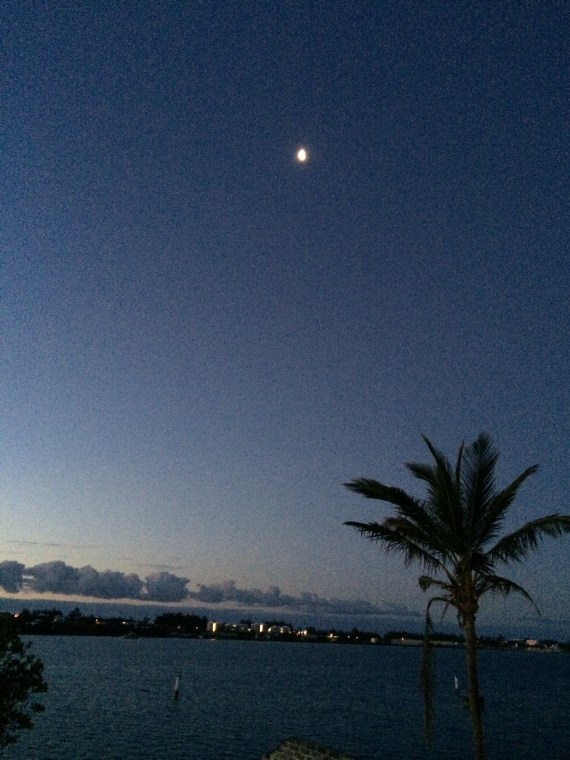
Photo from our deck in Bermuda, just before the stars came out in force….in February. We were right on the harbor….so many beautiful evenings! Prompt is from my recent June class — write a poem of nostalgia.
Cornfields, stalks of silk-tasselled green planted in marching rows, wave in hot humid breeze. Then slowly stop. Stand tall. Sensing. Waiting. Sky shifts from grey to sickly yellow. As if the early morning sun has returned to sulk and leave its stain. A rushing sound begins to fill the air. Decibels increase as dark clouds coalesce. Meld into a funnel shape and roar across the field. Dust swirls up from roads, their surface shocked as rain explodes from sky.
Field mice hide
‘neath towering stalks of grain and corn
as sky erupts in fury.

Written for Haibun Monday at dVerse, the virtual pub for poets. Toni tending bar talks about the Japanese culture – in particular, fifty shades of rain. There are 50+ words for rain. She asks us to use one of these words in the title or the body of the haibun (prose followed by a haiku). The Japanese haiku: 3 lines, short, long, short; always about nature. The Americanization of the haiku has shifted to a strict three line, 5-7-5 syllabic form, about any subject. Shinotsukame means intense rain.
Spring storm dissipates
leaves slow misting veil.
Ants scurry back to work
beneath uncurled ferns.
Trillium carpets damp earth.
White three-petal clusters
speckled by raindrops,
sit atop shiny green leaves.
Whitening clouds skirt the sky,
grey gives way to light.
Star-shaped pink laurels
turn faces to the dappled sun.


Tis the waking in the dark. Hand to chest feels ribcage move. Head cocked, hears slight puff from lips. Tis a daily night time wakening. Assured, rest returns.
nature electrifies the sky
streaks of night light reassure
her creatures rest calmly in the rain
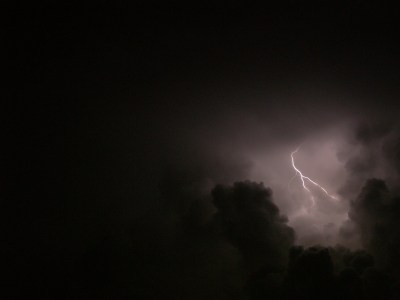
A haibun written as a Quotidian. Toni is tending bar at dVerse Poet’s Pub and defines Quotidian as an ordinary happening. Of course, the ordinary happenstance differs from person to person — so drop on by dVerse and read the various takes on this prompt! Or join in, and write one yourself.
Nature loves the despised, unwanted dandelions, blessing them yellow.
Come dance in refreshing rain, make mudpies and weave wreaths of dandelions.
Summer’s birthday candles: dandelion seed wisps float across wish strewn air.
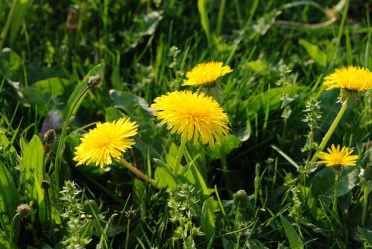
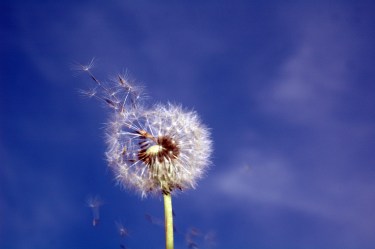
The American Sentence as a poetic form was created by Allen Ginsberg. It was his attempt to make an American haiku. As the Japanese haiku is 17 syllables going down in Japanese text, the American Sentence is 17 syllables going across, linear, like just about everything else in America.
In a 1991 interview with Thomas Gladysz, Allen Ginsberg was asked about the sacramental nature of life as an aesthetic for his photography. Allen replied: “I think the notion is a Native American art aesthetic and life aesthetic, but my formulation of it is reinforced by a lot of Buddhist training. The notion is basically that the first noble truth most all of us acknowledge, especially senior citizens, is that existence is transitory – life is transitory. We are born and we die. And so this is it! It gives life both a melancholy and a sweet and joyful flavor…Any gesture we make consciously, be it artwork, a love affair, any food we cook, can be done with a kind of awareness of eternity, truthfulness…In portraiture, you have the fleeting moment to capture the image as it passes and before it dissolves…It captures the shadow of the moment.” Italicized is quoted from Paul E. Nelson: About Form: What Are American Sentences.
I’d read Blueberries for Sal as a young girl. Robert McCloskey’s 1949 Caldecott winner, set in rugged Maine. And so I recalled that book many years later, spending three glorious days in Acadia National Park.
We spent our indoor time within the cozy confines of a knotty pine cabin. Mornings of hot steaming coffee mugs, looking out windows that opened to the northern woods. Bedtime, covered in faded down quilts, noses chilled as our fire turned to softly glowing embers.
Afternoon walks took us along the coastline, climbing over rock strewn paths with views of crashing waves. Trail number three turned inward, passed ruins of a wall, crumbled stones scattered in wild tall grasses. We walked through a dense birch tree stand. And in one magical moment, the wind whipped up and the canopy of branches swayed. Sunlight streamed in, creating a shimmering lacework overhead.
Our last evening, in denim shirts and hiking boots, we made our way at dusk to the top of Cadillac Mountain. We lie back and watched the sky turn glittering black. Specks of incandescence gleamed light years away. The only sound was our intake of surprised breath as a shooting star streaked from left to right, to another place in time.
sun light dances
through birch tree leaves and disappears
as stars skitter into view
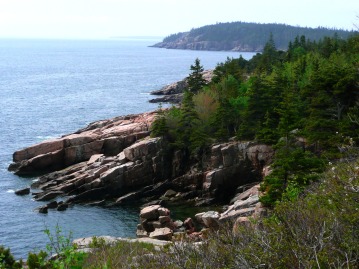
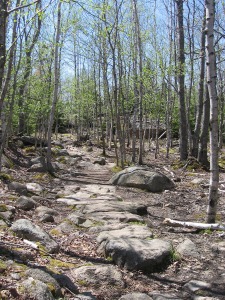
Written for Haibun Monday at dVerse Poets’ Pub with Bjorn tending the virtual bar, asking us to write a haibun about a walk we’ve taken. Photos from Acadia National Park, Bar Harbor Maine.
Intruders are we
amongst orange-red hoodoos.
Otherworldly creatures,
knobby limestone
eroded by wind and rain,
guarding slot canyons
and plateau rims.
We tread silently,
specks of time
wandering through your midst.


Written for dVerse — prompting us to write poetry about the SouthWest USA. Photos are from a trip in 20013 to Bryce Canyon. A magical place indeed.
extinction has become
a way of life
push ‘em back, push ‘em back
way back
thieves in the night
spread into the world
Serengetti, oceans blue
chrysalis and hives
letter writing, long white gloves
walking unplugged and fountain pens
family dinners, darning socks
rotary dial and porch talk
push ’em back, push ’em back
way back
civility disappears in spews
listening usurped abducted
mouths agape without ears
warnings ignored
das Ende, el fin
fine, mwisho
push ’em back, push ’em back
way back, yeah team

NaPoWriMo Day 27 — using day 26’s prompt to write a poem with a refrain. Confession: I was a high school cheerleader. “Push ’em back, push ’em back, way back” was used when the other football team was getting too close to the goal line. That “refrain” popped into my head and then I started thinking about all the things that have disappeared in my lifetime — far too many to mention here. And I realized, extinction has become a way of life — how strange to put those two words together! “the end” is offered in different languages. It is after all, a worldwide problem. Thought the Japanese word for “the end” was quite interesting, containing the English word “wish.”
 lillian the home poet