A Crisis of Faith

Brought up Catholic in a rural town, crucifixes in every room of the house. Weekly traumatic recitations of sins to the confessional grate. Anne-Marie fled when she turned eighteen. In New York City she buried her head in anonymity: crowded streets and subways. Religion and family left behind, she savored freedom in the solitude of multitudes. Then came the call.

“Your father is dead. Don’t come home. It’s too late.”

So Anne-Marie simply went to bed . . . for days.

Until she found herself in a church. Walking down the aisle pushed by childhood memories. Muscle memory bent her knee in genuflection. At the communion rail, her hands appeared in front of her. Thin wafer received. Consumed. But then came wine? Since when? And the faint perfume from its chalice steals her resolve. She gulps as tears flow. Somehow, she’s back in the fold.


Written for Prosery Monday at dVerse, the virtual pub for poets around the globe. BUT, today, we write flash fiction!


Prosery is a form created by dVerse. A line from a poem is provided and we must include the line, word for word, within a piece of flash fiction of 144 words or less. The line provided today is
And the faint perfume from its chalice steals
from the poem Sympathy by Paul Laurence Dunbar.

In the time of Emily Dickinson . . .

She stood on the Trader’s Block. Men walked by and stopped to examine her. Many with whips in their hands. Some more gentlemanly with canes. Either way. They stopped and stared. Demanded she open her mouth; forced her to do so. Were her teeth in good shape? They all wanted a healthy robust woman to work in their fields. They didn’t know she could read. She’d seen the poster on display. Slaves for Sale Today. That horrible publication. Is the auction of the mind included with the auction of the body? For her, it will never be so. She can read. She can think. She can read the stars. She will not be long with whomever buys her today. She will try to escape again and this time she will succeed.

It’s Prosery Monday at dVerse, the virtual pub for poets around the globe.

Today, we’re asked to write a piece of prose (144 words or less) that includes the line “Publication is the auction of the mind” from Emily Dickinson’s poem Publication – is the Auction. We can change the punctuation of the line, but we may not change the order of the words. Emily Dickinson lived in the time of slavery. She was not an activist on the subject however, the subject was actually or metaphorically a subject of some of her poems.

I chose not to include an illustration today.

The Innocence of Youth Unveiled

We were raised in families where the television show “Father Knows Best” was also the way of the household. Travel happened twice a year for me: a visit to my grandparents’ home in Florida and a vacation week in the Wisconsin Dells. I always sent her a postcard. It never dawned on me that I lived in a white privileged world and she did not.

I went to college and she left home. She took jobs where she found them. Eking out a living, then moving on. She sent postcards along the way. In 1963, from DC. She’d heard MLK’s “I Have a Dream”. In 1969, from the Catskill Mountains. She’d found love and acceptance at Woodstock. “The granites and schists of my dark and stubborn country have accepted me. My new partner and I can be ourselves here. Come visit!” I never did.

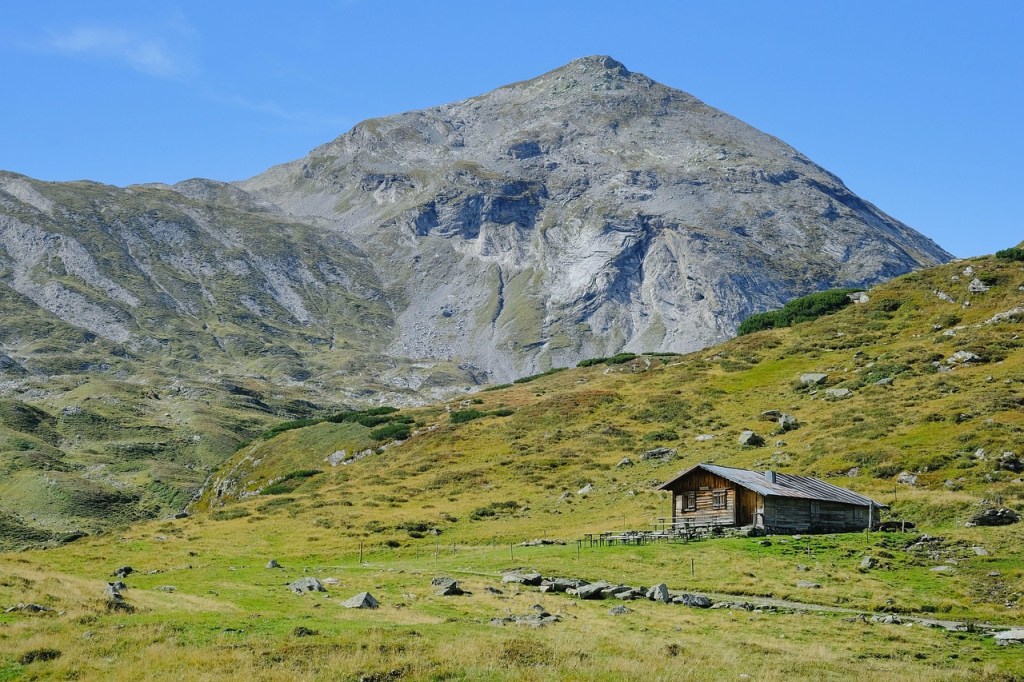
Image by Karl Egger from Pixabay

Written for Prosery Monday at dVerse, the virtual pub for poets around the globe. Prosery Mondays are the only prompts where writers are asked to write prose, not poetry. We’re given a line from a poem and we’re asked to insert it, word for word, within a piece of flash fiction that is 144 words or less in length. Today Merril gives us the line “The granites and schists of my dark and stubborn country” from Nan Shepherd’s poem “The Hill Burns”

The Innocence of Youth Unveiled is fiction. It is not autobiographical.

Remembering that Glorious Year

We trekked our way through glorious scenery that year. The Teton mountains witnessed our love grow as we explored their many trails. We held hands walking through fields of wildflowers as spring bloomed. That summer we ran along Jenny Lake and finally took the plunge into her pristine but cold glacier-fed water. Autumn brought changing colors below tree-line and  beautiful evenings spent under star lit skies.

I remember the day sludge colored clouds rolled in. We realized quickly, they were precursors to an approaching storm. Setting up camp early that afternoon, the sun disappeared quickly. Clouds turned obsidian-like black and rain lashed our small tent. Daylight disappeared and never returned that day. Even in those cold and frightening moments, I felt warm and safe lying beside you. I would have learnt to love black days like bright ones, if only we’d had more time.


Written for Monday Prosery at dVerse, the virtual pub for poets around the globe. Prosery Mondays are the only time we write flash fiction rather than poertry at dVerse. It is a genre created by dVerse that unites poetry and fiction: a given line from a poem must be included word for word within a piece of fiction that is 144 words or less in length, sans title.

Today Kim asks us to include the line “I would have learnt to love black days like bright ones” from the poem Dark August by Derek Walcott in our 144 word piece of flash fiction.

Image by Mike Goad from Pixabay

I Can’t Believe It

I have no skills for flight or wings. To skim the waves effortlessly, like the wind itself, I’d much rather do that.

I grew up next door to Amelia and her sister, Pidge. We climbed so many trees together. I’ll never forget the day Amelia said she was sure I could fly. So convincing was she, that I lept from an apple tree with arms outstretched. I held a grudge against her for a long time after that debacle.

All these years later, here I am, happily married, still in Atchison. I follow Amelia’s adventures and marvel at her courage. She’s world famous while I’m best known for my prize-winning apple pies. In summers, I always enjoy canoeing on Lake Warnock. Sometimes I stop to stare up at the sky and think about her. Imagine my shock today, when I heard the awful news.


Written for Monday Prosery at dVerse, the virtual pub for poets across the globe.

EXPLANATION. I’ve inserted myself into history in my flash fiction, pretending to be a neighbor of Amelia Earhart in her early childhood days.

HISTORY: Amelia Earhart (1897 – 1939) and her sister, Muriel (nicknamed Pidge; 1899 – 1998) were born and raised in Atchison, Kansas. There is indeed a Lake Warnock in the town. In 1928, Amelia Earhart became the first female passenger to cross the Atlantic by airplane. In 1932, she became the first woman to make a nonstop solo transatlantic flight and was awarded the Distinguished Flying Cross. On July 24, 1937, she disappeared over the Pacific Ocean while attempting to become the first female pilot to circumnavigate the world. She was declared dead on January 5, 1939.

WHAT IS PROSERY? For this form, we take a line of poetry and place it into a prose piece. The prose can be fiction or non-fiction, but it must be a piece of prose, not poetry. It can be no longer than 144 words, sans title. We are not permitted to insert words into the given line, but we may punctuate it. We must acknowledge the line, the work, and the poet.

THE LINE WE MUST INCLUDE: “I have no skills for flight or wings to skim, the waves effortlessly, like the wind itself” The line is from The Magnificent Frigatebird by Ada Limon.

IMAGES of Amelia and her sister, Pidge; Amelia as a pilot; and Amelia as a young girl.

The Wildlife Knew . . .

We proved ourselves using their prescribed survivor skills. Four days required with no outside contact. We foraged, used water purifier tablets, huddled together sharing body heat when temperatures dropped unexpectedly.

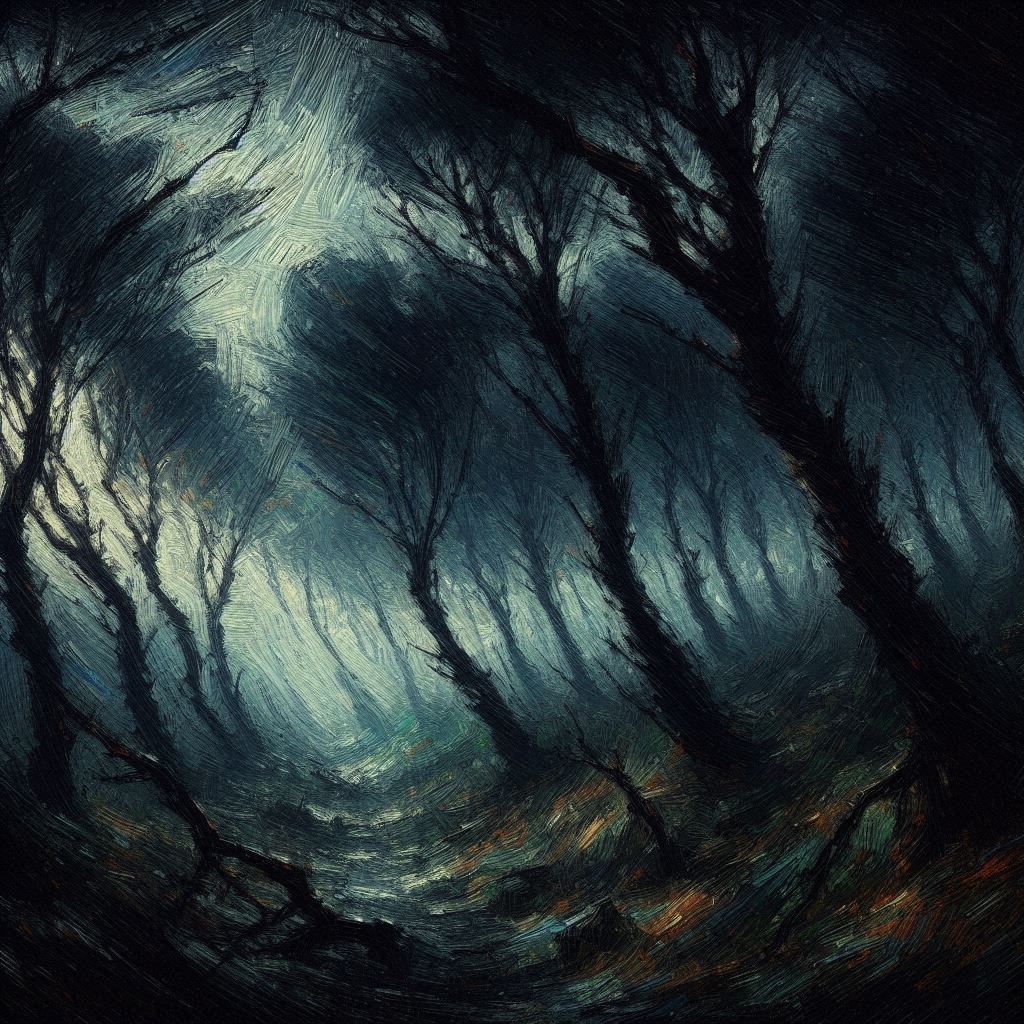
The accident was no one’s fault. His leg was most likely broken and I hoped my make-shift splint eased the pain. I had no choice but to carry him out on my back. The skies that looked threatening when we began the trek, turned black at midday. No signs of wildlife. They sensed the hell about to break loose. No sounds. No movement.

Keep moving. Just keep moving. The still air suddenly turned into howling winds. Rain pelted us sideways. We were in abject darkness. Where can we find light? In the never-ending shade of trees bent in terror? Just keep moving. Hold on, James. Hold tighter round my neck. It’s not far now . . .

Written for dVerse, the virtual blog for poets (and writers) around the globe. Today is Prosery Monday. Merril explains what prosery is:

“For this form, we take a line of poetry and place it into a prose piece. The prose can be fiction or non-fiction, but it must be a piece of prose, not poetry. You are not permitted to insert words into the given line, but you may punctuate it.  This is sort of a slippery slope, using someone else’s words in your own work. Please acknowledge the line, the work, and the poet. The piece you write can be no longer than 144 words.”

The line Merril asks us to include is “Where can we find light in the never-ending shade?” from Amanda Gorman’s poem “The Hill We Climb” which she read at President Joe Biden’s Inaugural in January 2021.

Image created on Bing Create.

Smoke Rings . . .

The last of my generation. Savoring my cigarette, I sit blowing smoke rings. They dissipate into wispy nothingness, metaphorical for my existence these days. I’m not alone in this assisted living complex. But I am lonely. With my failing eyesight, I no longer escape on adventures with Agatha Christie or James Patterson.

I have so few pleasures. Sometimes I’ll listen to Duke Ellington records and I’ll bury my soul in a scrapbook with the photographs there. And the moss that I imagine in my dreams, always beneath my husband’s feet. I can see it when I bend over the pages with my magnifying glass, in the picture of John standing beside our first tent. Memories come alive on the pages. My children’s birthday celebrations, cheeks pooched out, blowing candles. I’ve been blessed. My life has been good. But oh Lord, it’s time. It’s time.


Written for Prosery Monday at dVerse, the virtual pub for poets around the globe. Today, Kim asks us to include the line “And I’ll bury my soul in a scrapbook, with the photographs there and the moss” in our piece of flash fiction that is 144 words in length, sans title. The line is from the poem Take This Waltz by Leonard Cohen. We may change the punctuation of the required line, but must use the words exactly, in the exact order as appears in Cohen’s poem.

Image created on Bing Create.

Birthday Week with Gramps

She’d lived with her widowed grandfather since she was orphaned at twelve. He proudly walked her down the aisle when she married. Every year since, she’d returned to the cabin to spend his birthday week with him. They watched movies on VHS tapes. His favorites were the old ones starring Cary Grant, Spencer Tracey, or John Wayne.

This year, she’d brought the Harry Potter series on VHS tapes. They were twenty minutes into the first one when he complained loudly. “Wizards? This is ridiculous!”

She started to ask, “What does it matter that . . .”

“The stars we see are already dead. The ones we always watch. They’re in plots you can understand,” he harrumphed. “I’m gettin’ a beer and goin’ out to watch the moon. Seein’ a man up there is more real than this!”

She smiled, “Okay, Gramps. You win. I’m coming too.”


Written for Prosery Monday at dVerse, the virtual pub for poets around the globe. Today Dora is hosting and introduces us to Amy Woolard. She asks us to include the line “What does it matter that the stars we see are already dead” from Woolard’s poem, Laura Palmer Graduates, in our post.

Prosery was invented by dVerse: one line of poetry is provided and we must include that line, word for word, within a piece of prose/flash fiction that is 144 words or less (sans title). It’s the one type of prompt on dVesre, that does not involve writing poetry.

Image created in Bing Create.

After All These Years . . .

They were so young. Grins on their faces more often than not. Dressed in wool caps, fuzzy mittens, and brightly colored scarves. The backs of their snowsuits still showed evidence of the snow angels they’d just completed. An annual tradition at the first deep snow. Jill’s yard was always the scene. More often than not, they’d be in the midst of a wild dance to the blizzard gods when Mrs. Cranston called out to them, one by one. All of the names swallowed up by the cold, but loud enough so they knew her homemade hot chocolate was ready.

All these years later, Jill looking so beautiful in her wedding gown, they sat looking expectantly at Mrs. Cranston. Snow falling outside the church fellowship hall’s window, she held up her champagne flute: “To lasting friendship, my dears. You will always be my cold-nosed angels!”

It’s Prosery Monday at dVerse, the virtual pub for poets across the globe. Today Bjorn is hosting from Stockholm, Sweden. He asks us to include the line All of the names swallowed up by the cold in our piece of prose/flash fiction that is 144 words or less in length, sans title. The line is from the poem “After Someone’s Death” by the late Swedish Nobel Laureate, Tomas Tranströmer.

Annie Boaden

As a little girl, she often escaped the city’s bustle by visiting the public library. She’d sit quietly reading Betsy, Tacy and Tib stories and smile with Winnie the Pooh. Sometimes she’d spin the large globe with eyes closed, stop it, and imagine moving where her finger landed.

Years passed until she was alone, eyes clouded by cataracts, still living in the same small house. She adored its flower garden, tending it so carefully. Hollyhocks, primroses, lilacs grown tall over the years. Today, it rained so she sat beside her kitchen window gazing out. Screen door open, she could hear the rain patter, smell her city lilacs release their sweet, wild perfume, then bow down, heavy with rain. The teapot would soon whistle, and she’d pour herself a cup to share with Jane Austen, escaping into the world of Elizabeth Bennet and Mr. Darcy.


Written for Prosery Monday at dVerse, the virtual pub for poets around the globe. In Prosery, we’re given a line from a poem and must include it, word for word, within a piece of flash fiction that is 144 words or less in length. Today we’re asked to include the following lines from British writer, Helen Dunmore’s poem City Lilacs:
“. . . city lilacs
release their sweet, wild perfume
then bow down, heavy with rain.”

Photo taken some years ago on Lilac Sunday at the Arnold Arboretum in Boston.