
Standing in the dappled shadows surrounded by silence
sudden sounds startled my senses.
Somewhere the master had raised the baton.
Sweet birdsongs joined chattering squirrels in playful harmony
soaring skyward.
The earthy crunch of fallen leaves underfoot shocked in
percussive surprise.
A mellifluous stream babbled over smooth stones
singing a song to soothe the soul.
Sounds of silence surround me no longer
as I surrender to the sublime synchronicity of
this seasonal symphony.
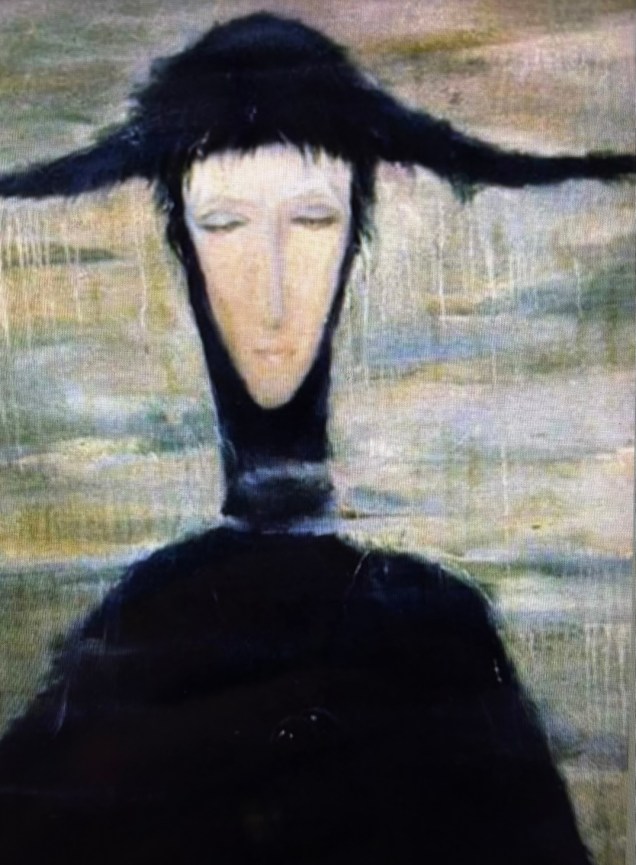
Haunting Portrait
She sits tall, neck craned,
blue and yellow flag out of view.
Husband and sons gone.
Neighborhoods reduced to rubble.
Paint me on this dismal morning
in my black mourning.
Paint my sorrow,
my horror, my disbelief.
Joyful colors obliterated.
No emerald greens,
brilliant purples
or rich chestnut browns.
Abandoned by you, your government.
Ceded for whatever reason
to that Russian tyrant.
I am the widow of Ukraine.
My visage shall haunt you
until the day you die.
Written for dVerse, the virtual pub for poets around the globe where I’m hosting October 22nd’s Open Link Night. Folks are free to post one poem of their choosing OR they may write a poem that includes mention of at least three colors.
I’ve combined my optional prompt with Melissa’s prompt from Tuesday Poetics: write a poem inspired by one of three “haunting” paintings she provided.
The real haunting and haunted story behind Svetlana Telets, Rain Woman (1996).
Telets is a Ukrainan artist. Telets claimed that for months leading up to her painting, she felt an invisible presence watching her constantly. She claims to have felt an invisible force guide her hand llike a puppeteer while creating it. Telets’ painting was displayed in a local gallery in Ukraine, where it was purchased and returned multiple times by buyers who reported the painting caused them to experience insomnia, nightmares, and an eery sensation of being watched. Some even claimed that a shadowy figure followed them through their homes.
On Halloween Night
Goblins on mischief rampage.
Forest-sprite Sylvie awakens
atop her mushroom cap.
Too visible!
Wings pulse message,
screen needed now.
Sylvie escapes beneath fiddle ferns
as fireflies answer by the thousand,
hypnotizing malevolent ones.
Full moon reveals staring Snowy Owl.
His countenance
frightens goblins away.
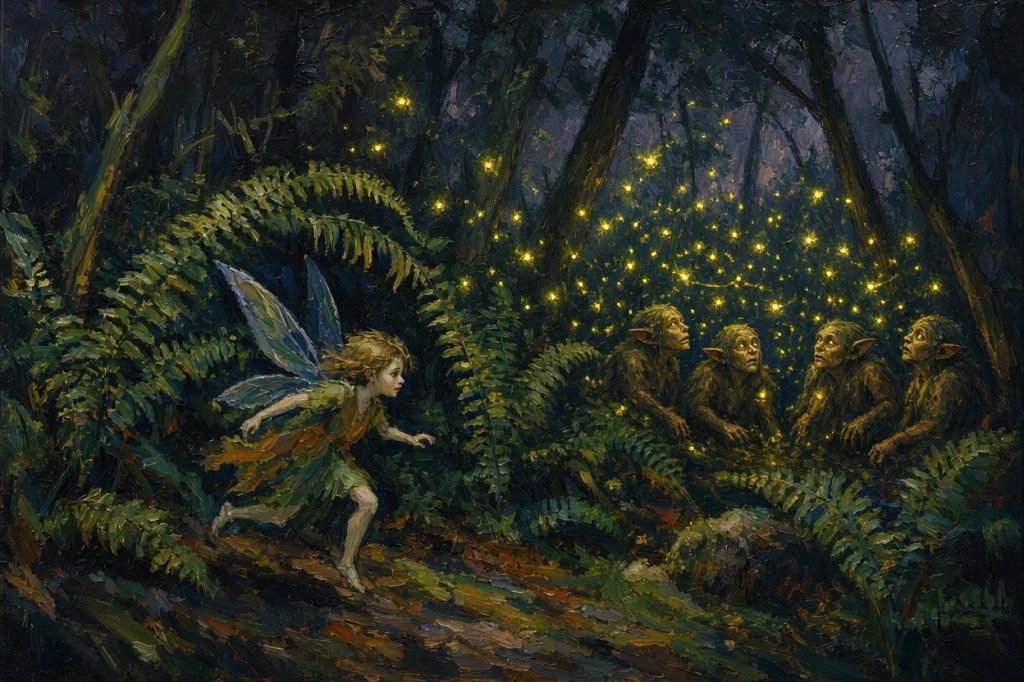
Written for Quadrille Monday at dVerse, the virtual pub for poets around the globe. Today Lisa asks us to include the word “screen” in our poem of exactly 44 words sans title. Image created on Bing.
The Cadralar: Poetic Form for the Times
1.
Red yarn raucously stretched,
tangled up and down stairs.
Cat spent
chin rests on ball’s remainder,
tail and right paw ensnared.
2.
Snow melts under warming sun.
Water rushes over boulders
carves trail in mountainside.
Carries, tosses rocks and branches
gurgles loudly in rapids below.
3.
Tuk tuks, bicycles, tarp covered trucks, cars.
All jockey in and out as drivers gesticulate.
Heat blazes, smog suffocates.
Traffic lights. Detour signs. No matter.
Throng pushes ever on.
4.
Hurdles placed, runners crouched
starter gun sounds.
Numbered bibs blurr.
Some clear barriers, never look back.
Others fall, lay defeated. Eating dry dust.
5.
Blue tsunami gathering steam.
November third in sight.
Maneuvering through noise
through blustering lies
the race to empathy, truth, democracy.
Written for Meet The Bar at dVerse, the virtual pub for poets around the globe. Today Laura asks us to write a CADRALAR, a unique poetic form explained below.
Cadralar:
Poem of five numbered stanzas.
Each stanza an imagist poem that can stand alone: a photograph if you will, but seemingly unrelated to the other stanzas, until you read the 5th and final stanza.
Stanzas’ lines should be similar in length.
Final 5th stanza, reveals the thread between the first four stanzas and answers the question, “What do you yearn for?”
Hint: I often find it helpful to go back and read the first four stanzas, after reading the final one!
FYI for those readers not from the US: November 3rd is election day in the US. It is not a presidential election year – that doesn’t come until 2028. But, we do vote for a large number of US congress folks (House of Representatives and the Senate), as well as important state offices including governors and members of state legislatures. If we “flip” Senate and House seats to the Democratic party, it will strip Donald Trump of much of his power and there could even be another impeachment, albeit a successful one in terms of removing him from office. All of these are possibilities. Many in the US, like across the globe, are tired and furious with what the Trump administration has done to the US and its ripple effect on the globe as well. Stay tuned for results on November 3rd.
*Red is the color of the Republican party: the group of sycophants following President Trump’s MAGA agenda.
*Blue is the color of the Democratic party.
The Would-Be Poet
Trumpet wails
smoke curls in jazz club
ice clinks in whiskey glasses.
Eyes glued to stage
they sit, imagining,
caught in her spell.
Red moist lips
sing in raspy sex-tinged voice
I put a spell on you.
Hips gyrate slowly
arms stretch above her head
hands writhe seductively.
He sits, shoulders slumped.
Food spattered lapels
ink stained fingertips.
The poet, as he’s known,
soaks in the atmosphere
with nowhere to go.
His mind travels
with her every word.
Imagines himself
inside her throat,
inside her eyes,
inside her soul.
Why can’t his words
do to his readers
what her voice
her words
her body
do to him?
Written for dVerse, the virtual pub for poets around the globe. Today, Sanaa hosts Tuesday Poetics with a prompt titled Thirteen Songs, Thirteen Hauntings.
She gives us a list of thirteen songs and asks us to be inspired by one of them. We’re to let the music determine the mood, imagery, setting, and voice of the poem. I’ve selected I Put a Spell on You, by Nina Simone. The music and video definitely inspired my poem. Click on the video above, watch and listen for a bit and you’ll understand why.
On this All Hallow’s Eve . . .
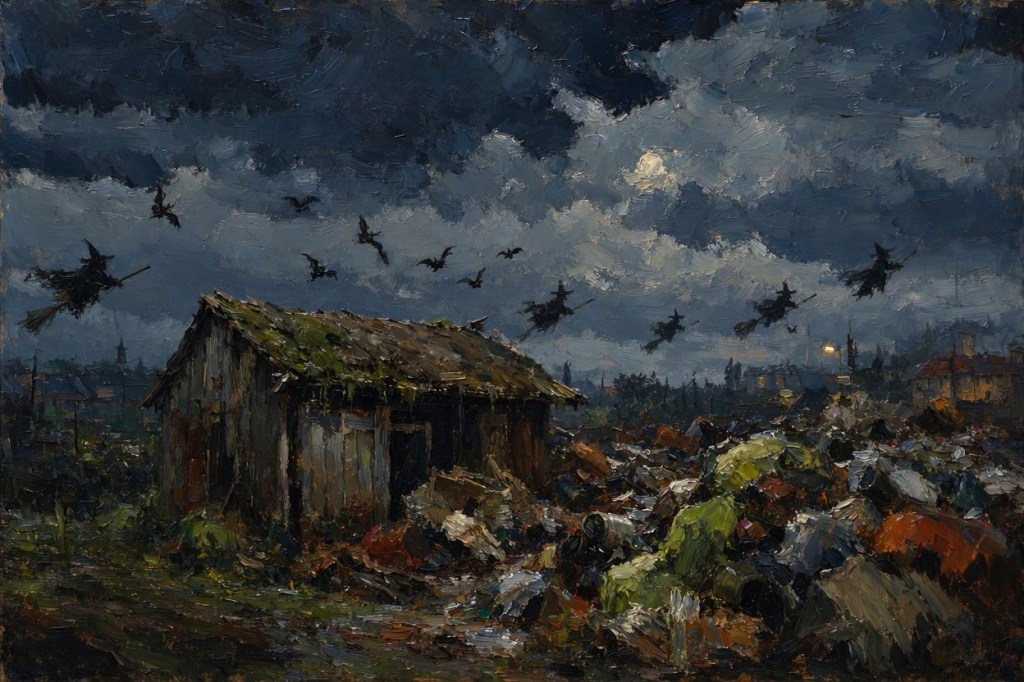
Robert and Emma lie undetected in the shed beside the town’s garbage dump. Dead for centuries, their spirits are still quite lively. Their love, strong as the day they wed in 1801. They find the stench of garbage more pleasing than their decomposition all those years ago.
Their skeletal rattlings have always scared away the curious. But the night of October 31st 2026, something was different. Hundreds of critters who tunneled into their space as frost took hold, suddenly breathed their last. The dead were settling in under their mud roof and something was shuffling overhead as the wind began to howl. Bats swooped nearby. Children screamed. Witches from the local coven flew overhead, cackling, screaming their names.
Energized, they stood up. Stretched tall. Their phalenges reached out and entwined. They’d waited centuries for the night of the waking dead. Surely this was it.
Written for Prosery Monday on dVerse, the virtual pub for poets around the globe.
Today Kim gives us the line “The dead were settling in under their mud roof and something was shuffling overhead” from Alice Oswald’s poem Body. We’re to use that line, word for word, within a piece of prose or flash fiction that is a maximum of 144 words in length. Extra credit if the story is exactly 144 words in length. Mine is!
Image created on Bing!
An Apple a Day
Apple me
a healthy life
bees round my blossoms
a honey in my life
applesauced surprises
but never a pie in my face!
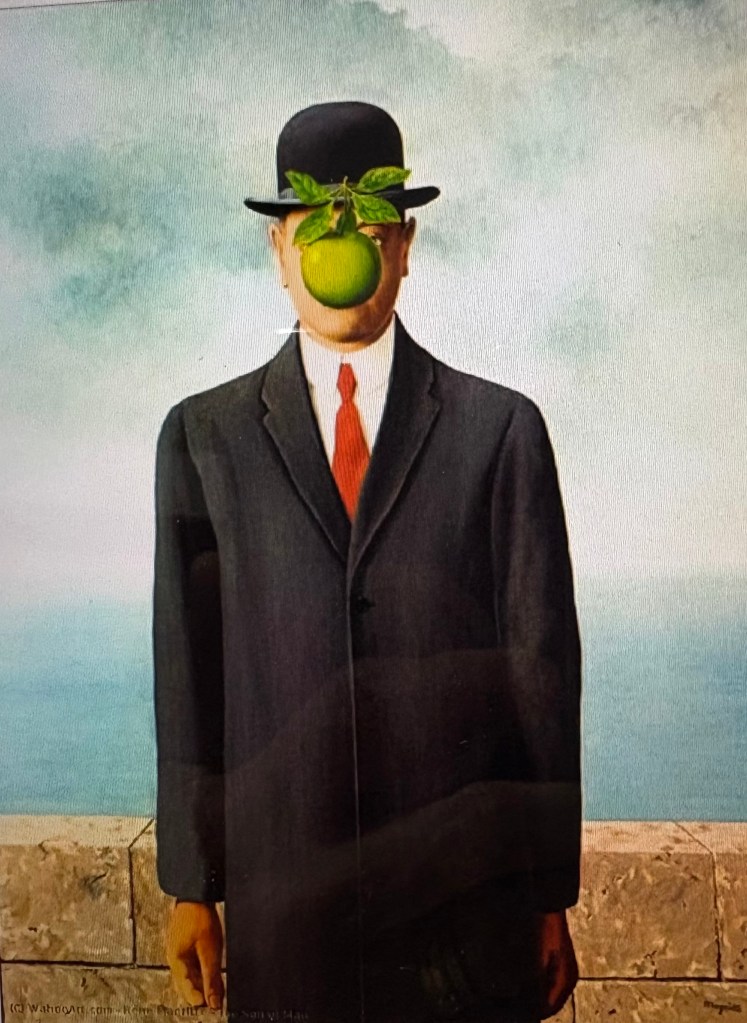
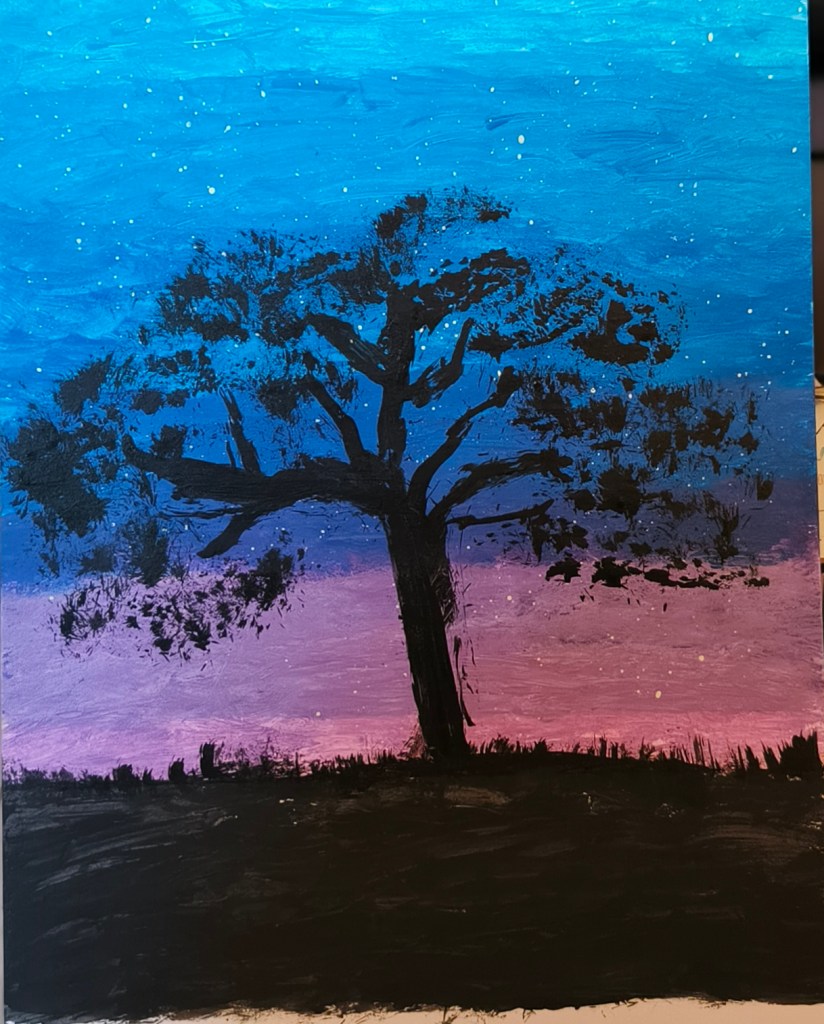
Written for Thursday’s Open Link Night at dVerse, the virtual pub for poets around the globe. Mish hosts and we can post any poem of our choosing or write to her optional prompt, which I chose to do. The optional prompt: write a poem inspired by René Magritte’s painting, Son of Man. I chose to have a bit of fun with the image!
Azul’s World
I’d like to see the world
through Azul’s eyes.
Where trees are lush green
vibrant with life.
Where every face is smiling,
grinning happily.
Side-by-side neighbors
whether across the globe,
the continent, the island,
the city or neighborhood.
Where there are no others.
Only a world of us and we.
Where all children are kissed by mothers
beneath trees melodious with caroling birds
hidden among their leaves.
Where the rising moon thrives
shining hope and beaming light,
even as the setting sun
paints the sky in waves
of yellow and crimson orange.
May we all see our world
through the eyes of Azul.
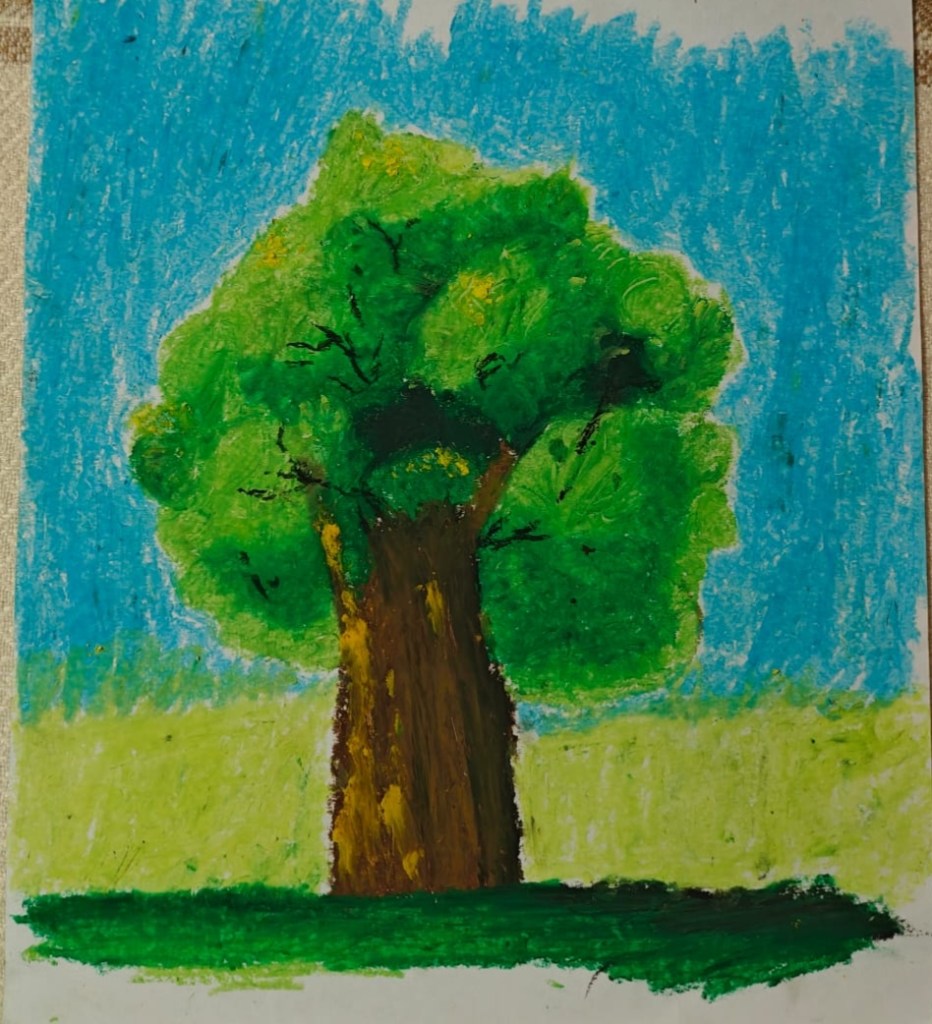
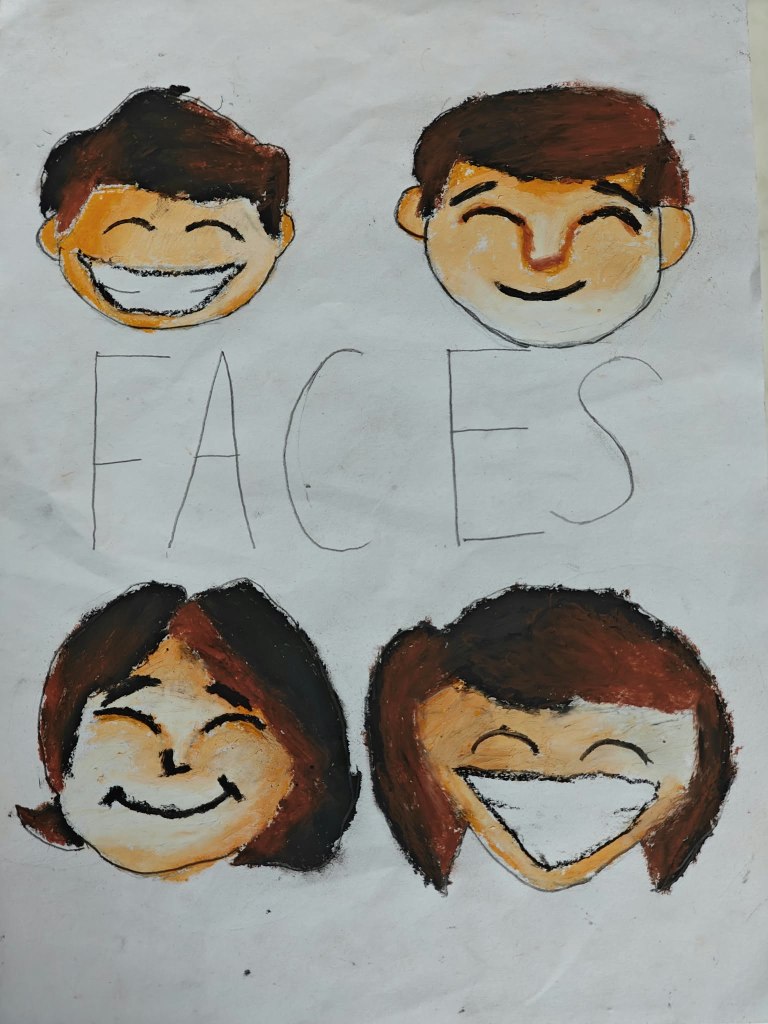
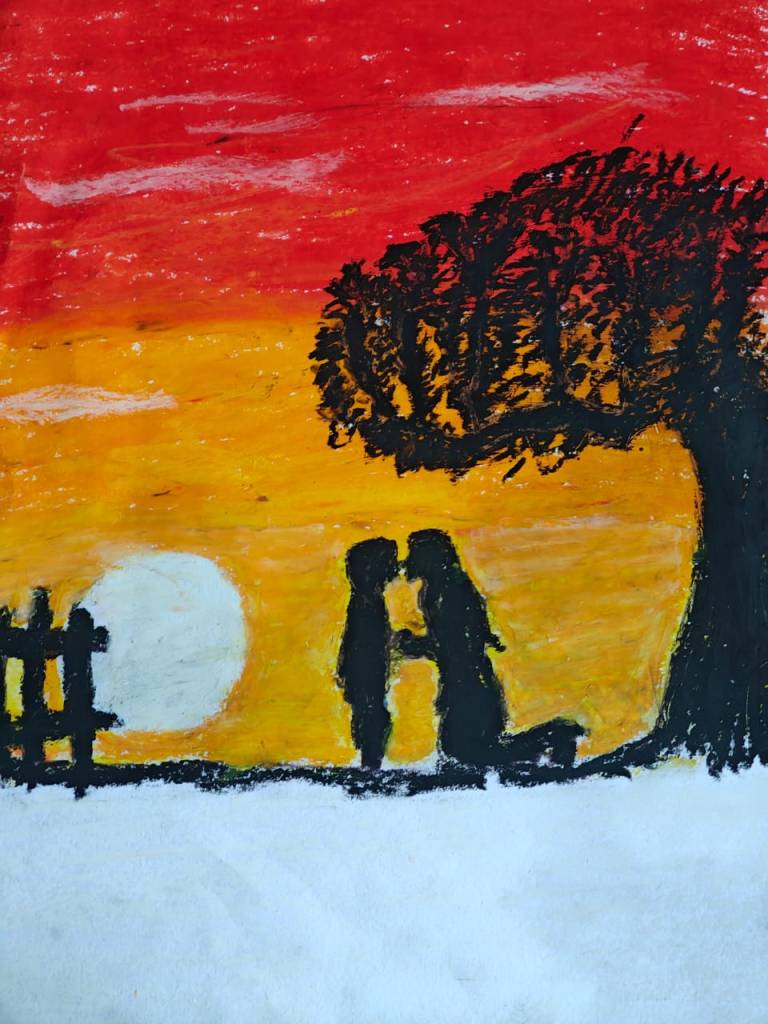
Written for Tuesday Poetics at dVerse, the virtual pub for poets around the globe. Today I’m hosting and am delighted to post four pieces of artwork created by Azul, an 8-year old boy from the Philippines. I’ve never met Azul, only his wonderful father. I’ve posted four of Azul’s drawings/paintings and asked folks to create a poem inspired by one or more of them. I think he’s a budding artist! In case you’re interested, here’s the fourth piece of Azul’s art that I did not include in my poem. It too is beautiful.
A Time Piece
He stands, shoulders stooped,
face wizened over years,
holding his ancient pocket watch.
Engraved words,
palmed almost to nothingness.
His great-grandfather’s name, birth date,
barely a whisper on gold.
Who to gift with this heirloom?
Unmarried, no heirs.
His to carry to the grave.
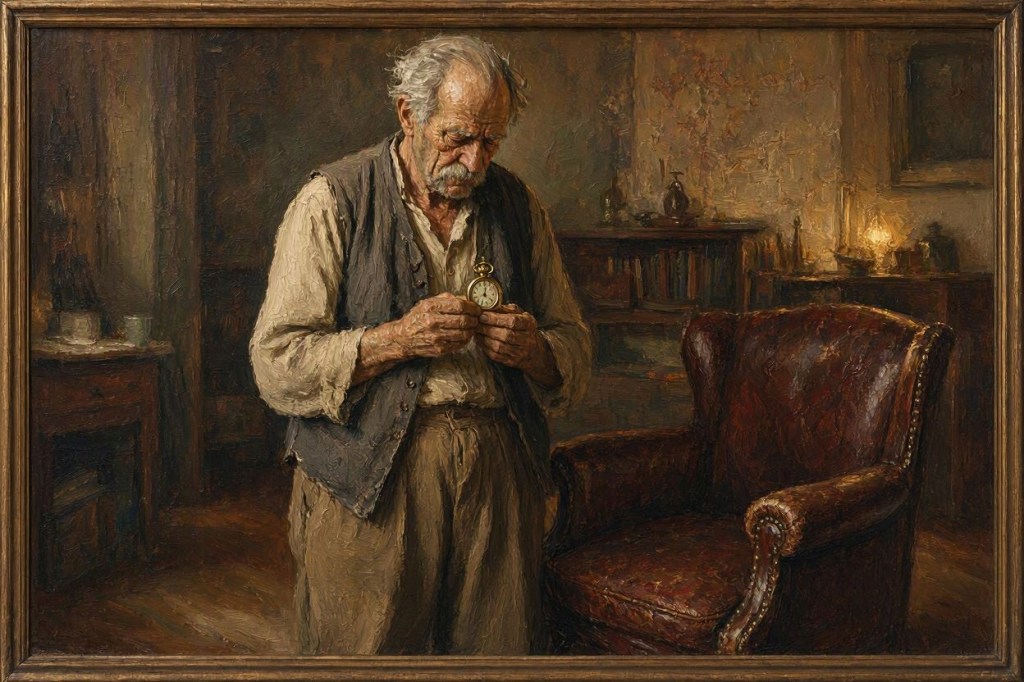
Written for dVerse, the virtual pub for poets around the globe. Today De asks us to include the word “pocket” within our quadrille, a poem of exactly 44 words sans title. Image created in Bing.
Pilgrimage Over the Seas
Forty days, forty nights,
escapist pleasure journey.
Biblical allusion not intended.
Worm of guilt
bored occasionally into mind.
Guilt of the privileged sort.
News cycle ignored.
Earth’s scenery, our view of choice.
Oceanic patterns, lulling waves.
Occasional roiling seas
cause drunken-like weaving
walking ship’s corridors.
Icelandic land of fire and ice,
revealed its secrets
in midst of deep rift.
Two tectonic plates still shift.
Greenland’s hospitable coast
contrasted with glaciers and ice sheet.
Cold shoulders in the distance,
flaunt their daunting interior.
Bay of Fundy’s highest tides
reveal Nature’s pummeling forces.
Ocean’s height belligerently batters
river’s flow in opposite direction.
Maine’s light houses,
generational directional beacons.
Nova Scotia’s history laid bare
in Gaelic village of yore.
Forty days and forty nights,
pilgrimage complete.
Domestic work claims attention,
simplistic refreshing of our abode.
More difficult November task,
refreshing our country as well.
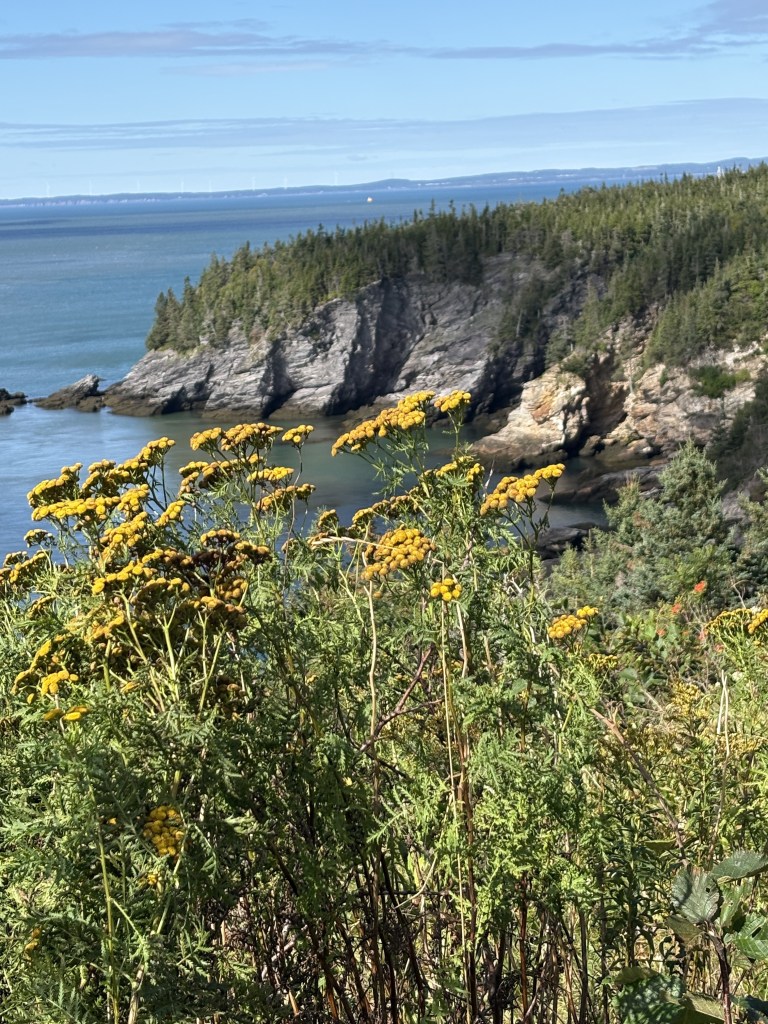
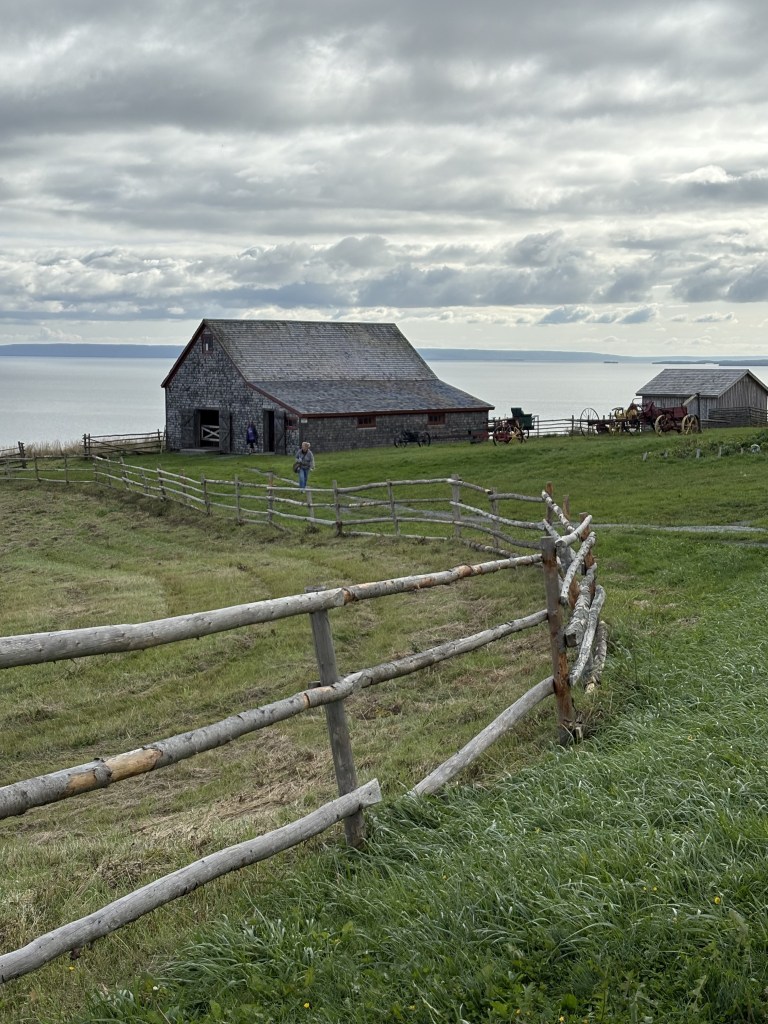
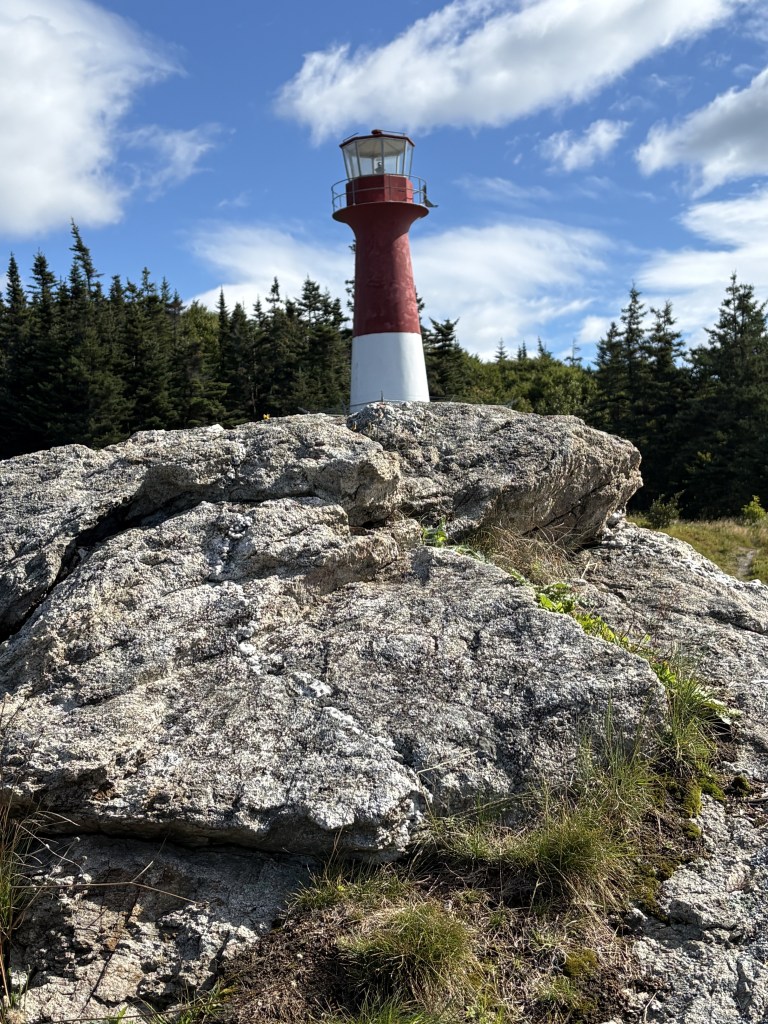
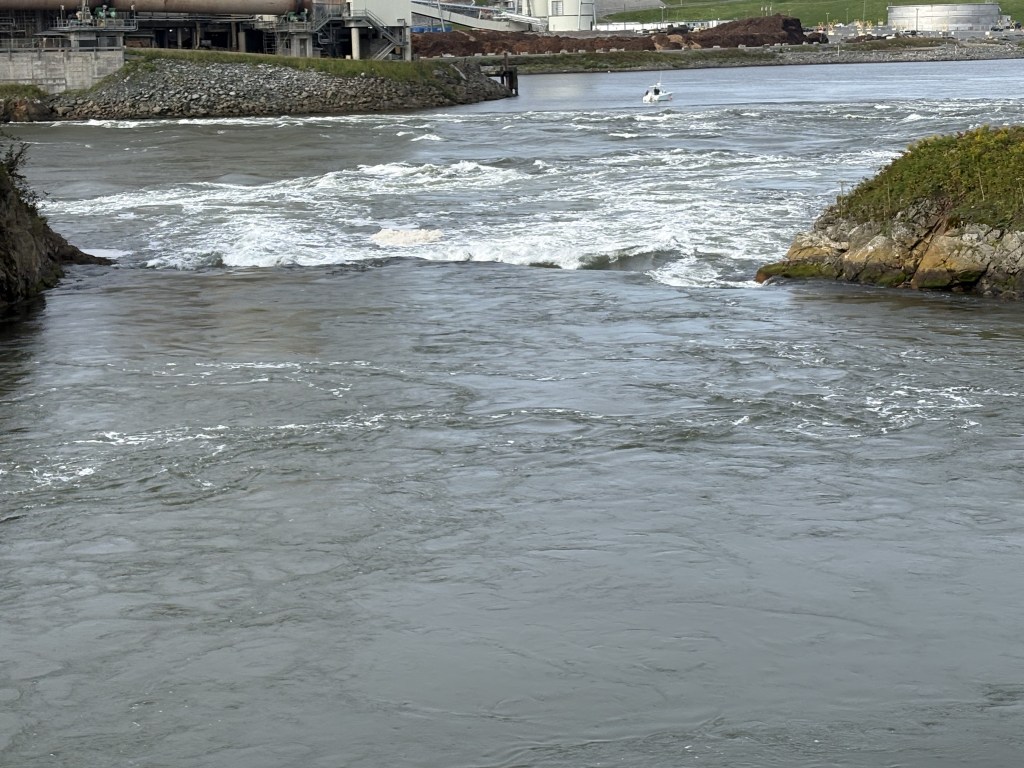
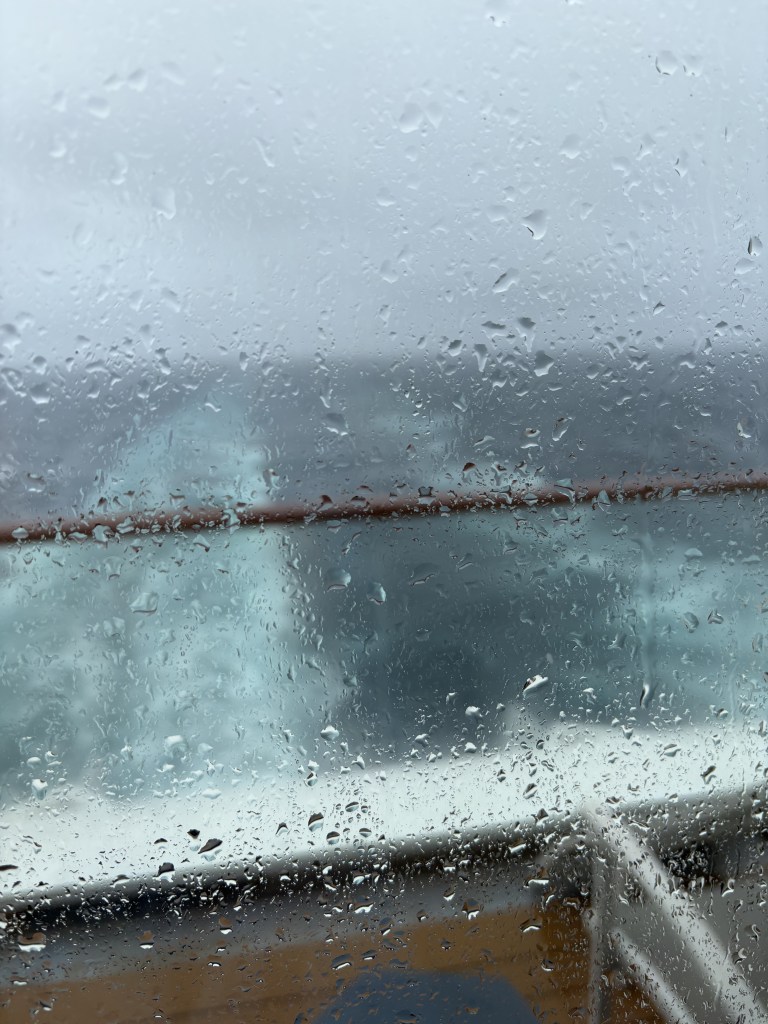
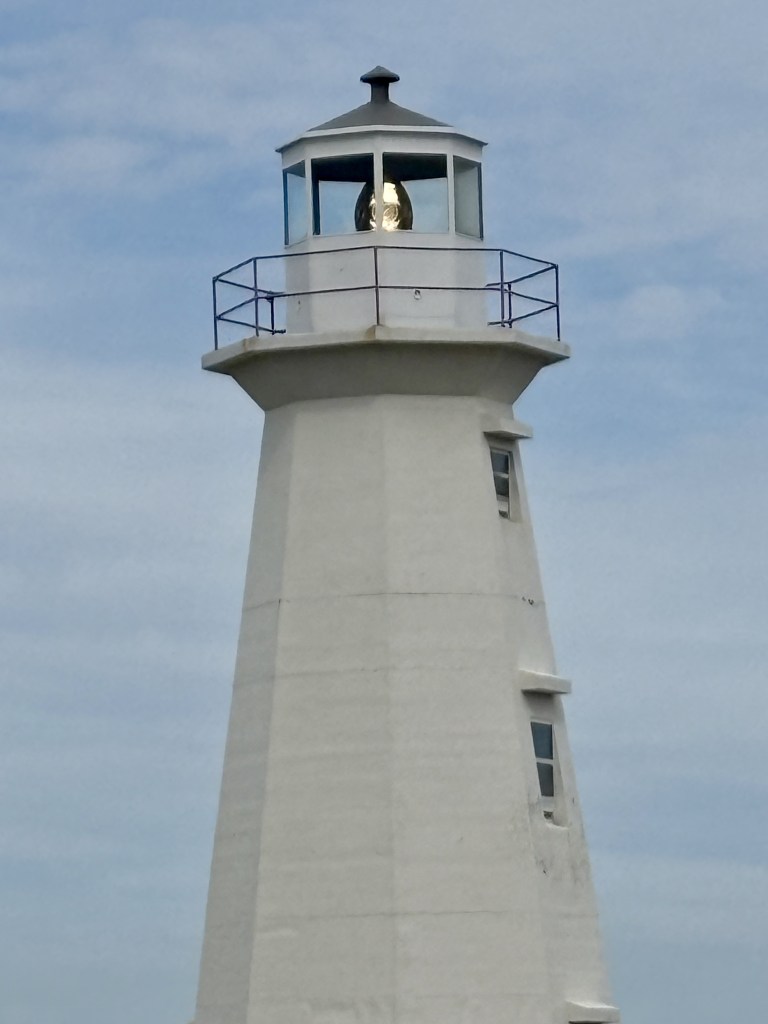
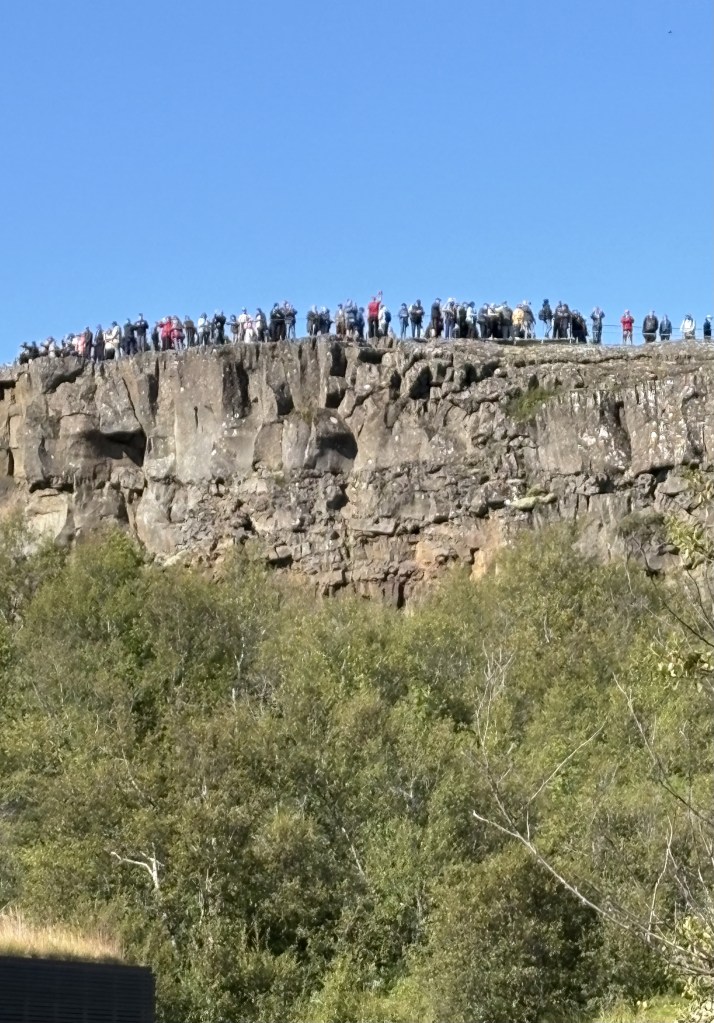
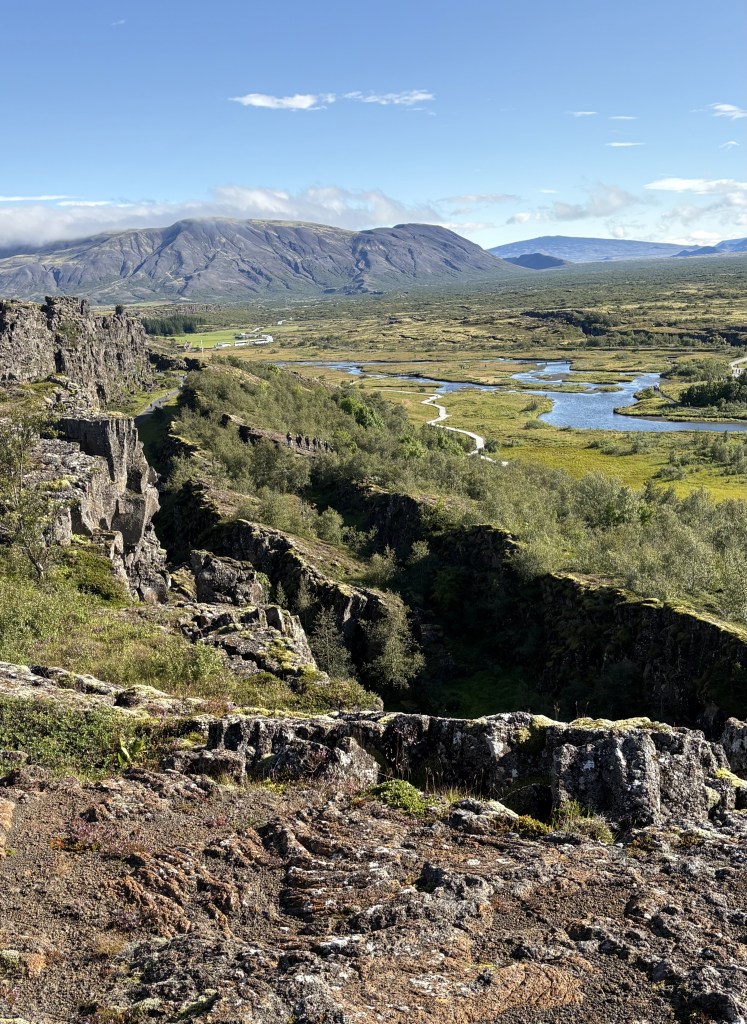
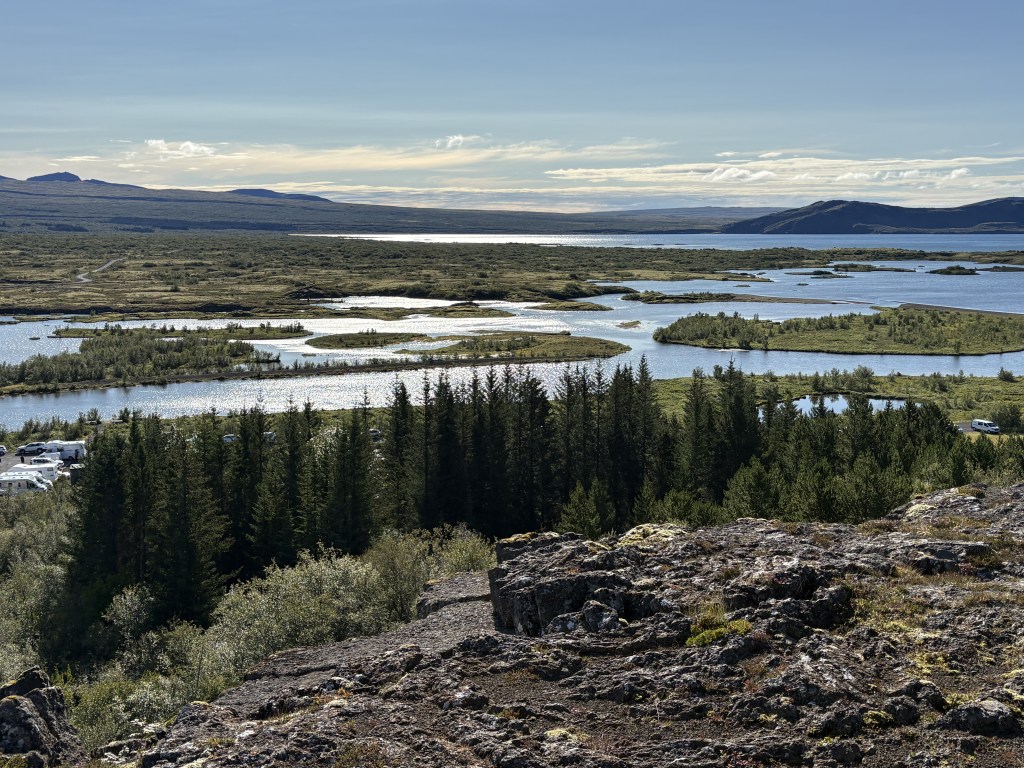
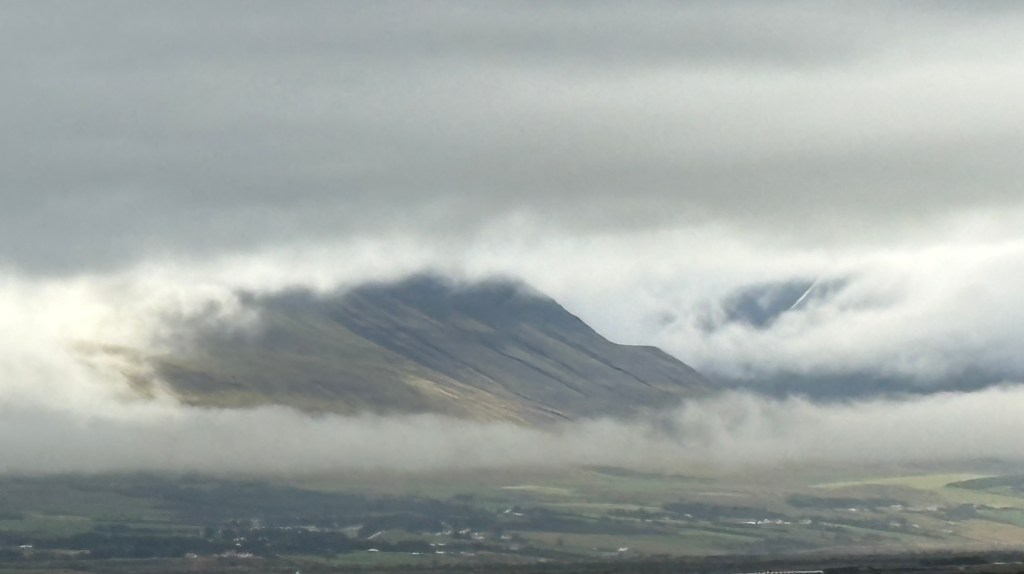
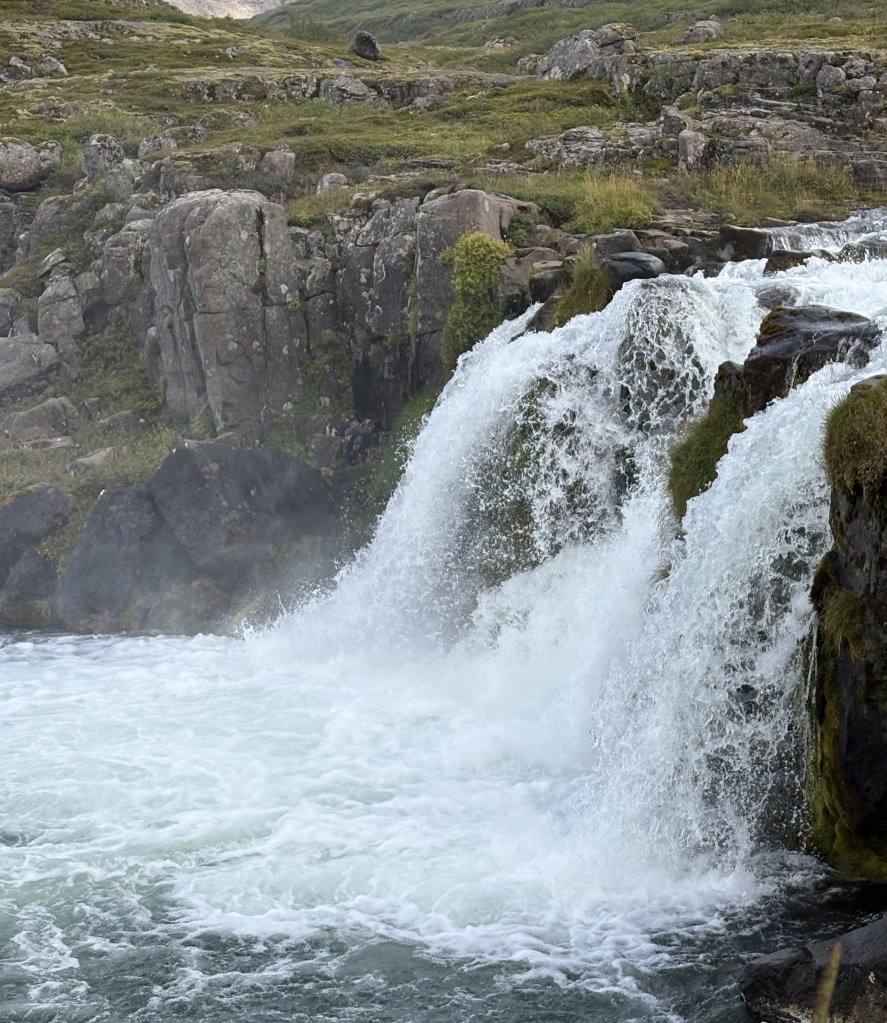
Written for dVerse, the virtual pub for poets around the globe. Today Bjorn asks us to write a poem dealing with a pilgrimage of sorts. Poem and all photos refer to and taken on our recent 40 days and 40 nights trip that included Iceland, Greenland, going above the Arctic Circle, Nova Scotia, New Foundland, Bay of Fundy, Quebec City, and Maine. Incredible scenery….incredible to be away and appreciate the land and so many diverse people.

