
Pop beads.
You remember them.
Plastic, in white or pink.
Pop ‘em on. Pop ‘em off,
accessorize or not.
Kind of like he treated her.
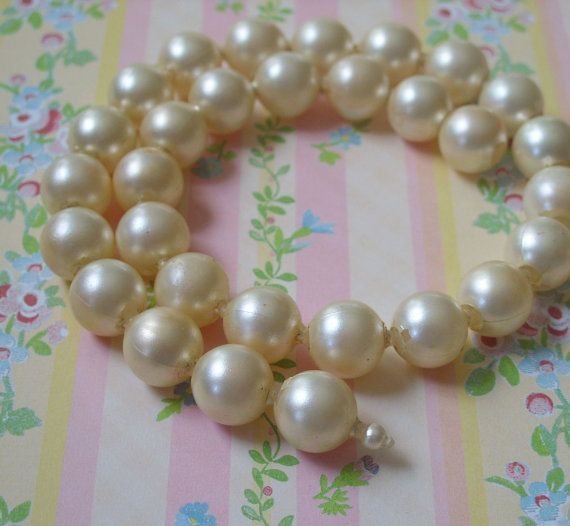
Pop-it beads: a 1950s fad. Anybody else remember them?
Pop beads.
You remember them.
Plastic, in white or pink.
Pop ‘em on. Pop ‘em off,
accessorize or not.
Kind of like he treated her.
Pop-it beads: a 1950s fad. Anybody else remember them?
News on reels, envelopes sealed with spit
new was last month or a week gone by.
Today it interrupts my present,
becomes a never ending loop.
Sunday drives with i spy and the license game
morphed into get-me-there robots.
Talking heads decapitated
into monotone maps.
Family restaurants turned mausoleums.
Mommy, daddy, Ashley and Drake
eyes down and mouths shut.
Thumbs talk…with imaginary friends.
Paris in Paducah and Chicago too,
a world of twitter and bird shit.
Color me shrink wrapped
and struggling to breathe.
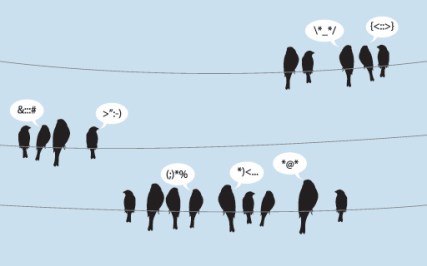
In response to dVerse Poets Pub, December 17 prompt. Write about the times we have lived in – describe the life of the decades you have gone through. Free-write whatever comes to mind and then create your poem around those ideas. Cut it down but keep that raw feeling from your initial free-write.
Taste of time begins to dull
ticks of spice turn clockwise gruel.
Ink forms script on pages new
memories writ, the present’s gift.
Black on white shall tell the tale
when life deserts the day.

Coffee cup in hand, she focused on the shapes coming into focus through the morning mist. James said they’d be a family science project. Bat houses. She’d agreed, only if they were a good distance from the house…
A good distance from the house…in-state college would have been nice. She smiled softly, thinking about the “Roots and Wings” adage on the plaque above her bureau. He sure spread his wings…
The telephone startled her. Coffee sloshed as she grabbed the phone. “Hello?”
“Oh, sorry mom. Did I wake you? It’s noon here. Just wanted to touch base. I miss you.”
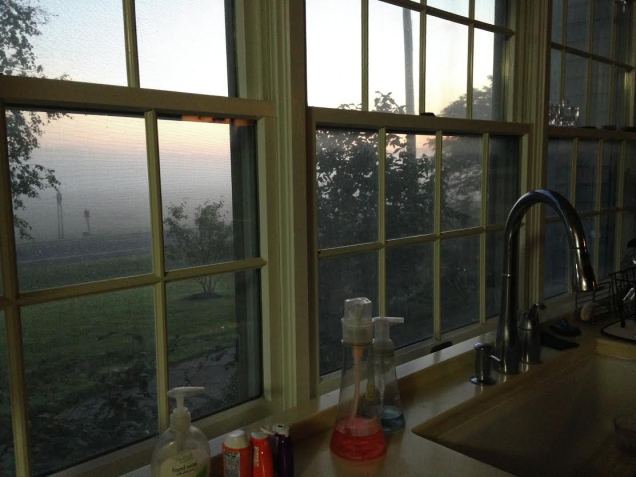
Word Count: 100.
Photo credit: Rochelle Wisoff-Fields.
Flash Fiction written for Rochelle Wisoff-Fields Friday Fictioneers.
Learn more about bat houses!
Your cardiac arrest
like a lifetime –
until it wasn’t.
Mother’s Day. Exhausted, incredulous. Home from the parade, she sat sipping sherry, flipping through albums. Pictures of children covered in yellow feathers. Thirty years of moms pushing buggies, pulling wagons, kids quacking.
Roberta surprised her this year. Came cross-country for this Boston tradition. And her costume! She manipulated poles so the wings stretched six feet above the crowds. More like a chicken but no mind. She drew oohs and ahs.
Mrs. McCloskey smiled through tears. Make Way for Ducklings, Caldecott book and so much more. How proud her father would be. His legacy for this city’s children and the world!

100 words. Written for Rochelle Wisoff-Fields’ Friday Fictioneers. Rochelle provides a photo for a 100-word story. Tales vary widely. Photo this week is by Luther Siler.
Make Way for Ducklings by Robert McCloskey, first published in 1941. A Caldecott Medal Winner it motivated a popular sculpture in Boston’s Public Gardens of Mrs. Mallard and her ducklings, and the annual mothers’ day Ducklings parade.
Drifting, thinking back
his face floats in and through her
suspended in time.
Please mouth the words
so we can win.
She did. They did.
And she never, ever
sang again.

Mid-August.
Car piled full, city girl to rural job.
Staccato palms on steering wheel,
radio Oldies defiantly blares
Summer in the City.
Turn round rural route bend,
foot shifts to brake
shocked by Monet view.
Signal to shoulder, sit mesmerized.
Amana Colonies serenity.
Green velvet leaves blanket still waters,
delicate yellow petals undisturbed
as slick-backed frog leaps pad to pad
finally rests,
centered in quiet setting sun.

December Challenge, Day 5: Start with time/when. Write about a body of water you remember. Include specific details.
Fourth grade mimic,
knee socks rolled down to puffy anklets
like sophisticated high school girls.
Three nickels clink and plunk,
bus fare to my Saturday dream.
Past Neisner’s Five and Dime
where the mynah bird sqwaks at little fingers,
guards balls and jacks in the wooden cubby.
One aisle over from ladies cotton underpants.
Past Durkin and Durkins, that grown-up place
where daddy buys one suit, every other year.
And there it is, bakery supreme.
Plastic number thirty-four, I wait and wait.
One chocolate éclair please.
Deep, yellow, cold, smooth custard
slathered between puffy sweet dough,
cut in uneven halves. Lips first lick
dark chocolate swirled on top.
Nothing ever tasted so good,
standing on linoleum floor
in black and white saddle shoes,
knee socks rolled down.
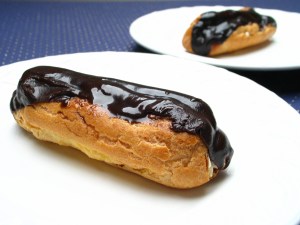
Photo Credit: Daniel West. Day 3 Winter Poetry Challenge: Write about a candy or something sweet that you loved as a child.

