He sat straight-backed, alert, surrounded by canes, walkers tv guides, checkerboard games and the people that accompany them in a place like this.
Hands folded, he waited patiently for the last strands of that age-old song. Some high pitched warblers sang off pitch, hunched over the tinny piano pulled out for occasions like this.
Balloons hovered above his head as candles dripped life-time moments onto pastel fondant flowers. He spied the festive paper plates, too thin for the thick slab he desired.
And so I asked the centenarian, what is the secret of your longevity? Well sonny, I always say, close your eyes to dream. Just make sure you open them wide to watch where you step.
Written for Open Link Night at dVerse, the virtual pub for poets around the globe. Bjorn will host as we go live today from 3 to 5 PM Boston time. Those who post a poem will have the opportunity to read it aloud, if they choose to do so. Come share the fun, connect names with faces and hear the voices of many dVersers!
Contemplation, gift of the night. Moonlight glazes the sea. Gone are those wild waves of yesterday when nature caroused to youth’s delight. Evening’s darkness, a quiet scene dressed in shades of ebony. I hear the sea’s symphonic hush as midnight nears. So many questions come to mind, most unanswerable by humankind. Why should not the water find delight in the floral fragrance of its own rippled surface? My scent commingles with the sea’s. My toes curl, touching her lapping edge. Her ripples ebb and flow so slowly, shine in gentle arcs of lunar light. Mesmerized, I begin to understand. Yes, time seems shorter now ending chapters closer, looming large like tonight’s full moon. Energy disipated, still beautiful in this later monochromatic scene. I’ve come to contemplate the night and take my leave thanking the sea. Quietly I begin the walk home, sensing the rippled surface  I leave behind, and I smile.
Written for Tuesday Poetics at dVerse, the virtual pub for poets. Today we are asked to let our imaginations become a springboard to the mystical/sacred and use one of eight fragments from the mystic poets. I’ve chosen “Why should not the water find delight in the floral fragrance of its own rippled surface?” (Jnanadev) Photo taken while on our last cruise, well before the age of Covid.
Reading what I have just written, I now believe . . . A snowflake smudges the next word. Where did that come from? I’m sitting at the kitchen table!
My eyes bug out in disbelief. A reindeer spotted with snow, stands behind me! I rub my eyes because surely this isn’t real? Then he invites me to climb on his back! Knowing mama and papa are soundly asleep, I scramble up. Out the window we fly, heading due north. My cold fingers clutch his collar, copper bells cold on my palms.
We land on a peanut-brittle paved lane with tall candy cane light poles and elaborate gingerbread houses! I see gummy bears chatting, sitting on gigantic lemon drops. Absolutely agog, I follow an elf to a sugar spun door. The door flings open and I know right then. I will always believe!
I’m hosting Prosery Monday at dVerse today, the virtual pub for poets. BUT, on Prosery Monday, we don’t write poetry!
Prosery is defined as a prompter providing one line from a poem, and writers inserting that specific line into a piece of prose, for example flash fiction. The punctuation and capitalization in the line may be changed, but the words and word order must remain intact. AND the prose can be no more than 144 words in length, sans title.
As host today, I’ve chosen the line “Reading what I have just written, I now believe” from Louise Gluck’s poem Afterward. So come join us! Insert this line, using these exact words in this order, into a piece of original prose!
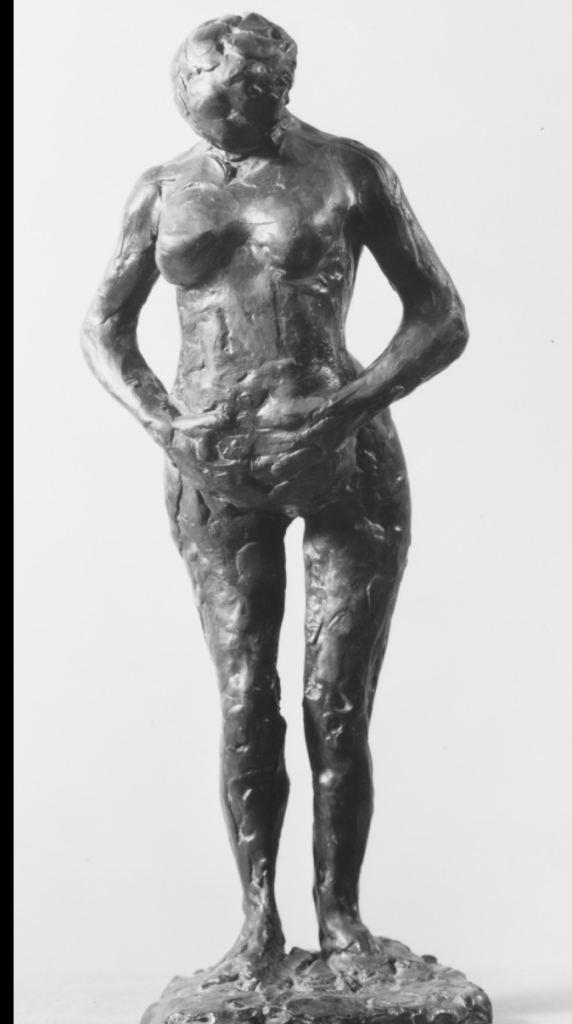
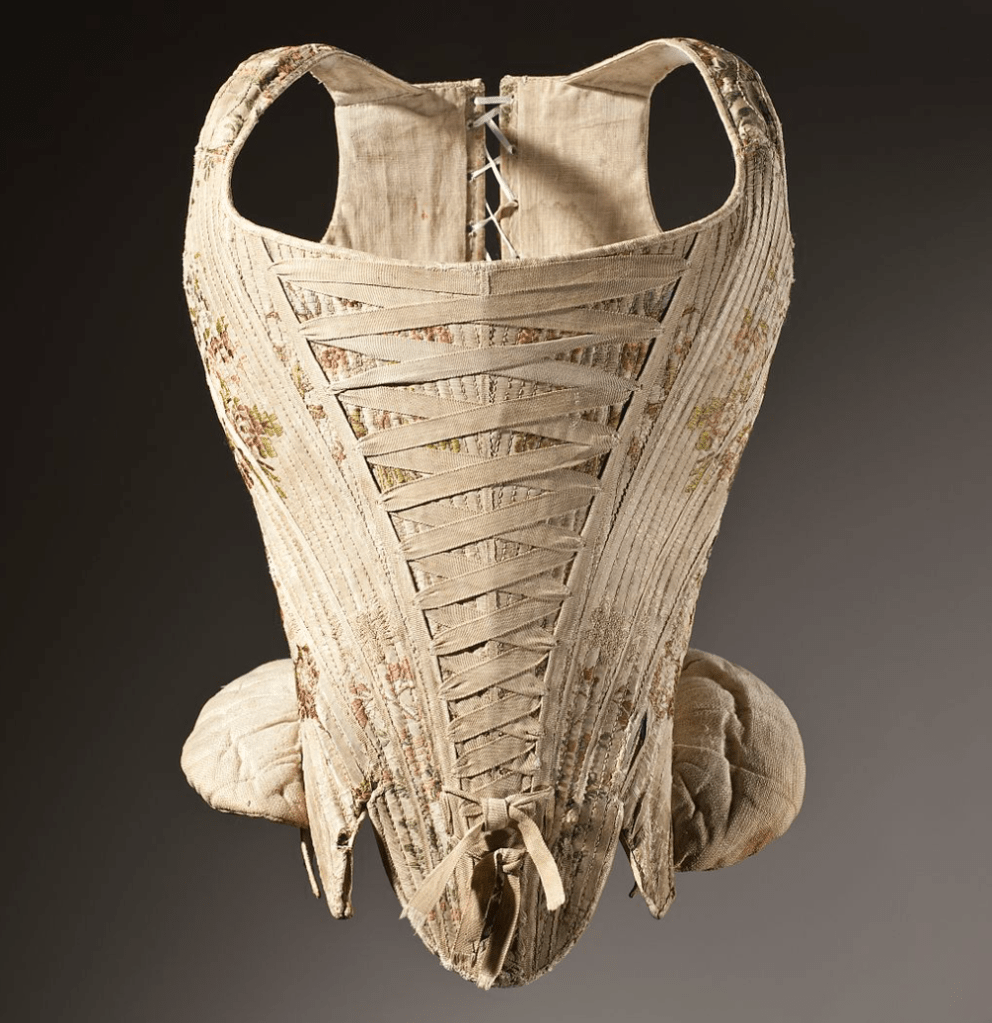
Black and white television set with tubes inside blonde console in our little den. My Lone Ranger lunch box. Watching Gene Autry at Junie’s house after playing dress-up with her mother’s things. Hankies with lace edging, rummage sales, and pettipants under culottes. Hooking nylon stockings to suffocating girdles. Mother dressed for Sunday church wearing hat and gloves, carrying her pocketbook. Green Reader’s Guides to Periodical Literature and card catalogues in oak drawers. Typing on a portable Smith Corona, frustrated by holes in paper from erasures. Skimming small print in thick telephone books. Hoop skirts under prom dresses and stretch pants with foot stirrups. Looking at my grandma and thinking Wow, she’s seen a lot of changes in her life! When did I become her?
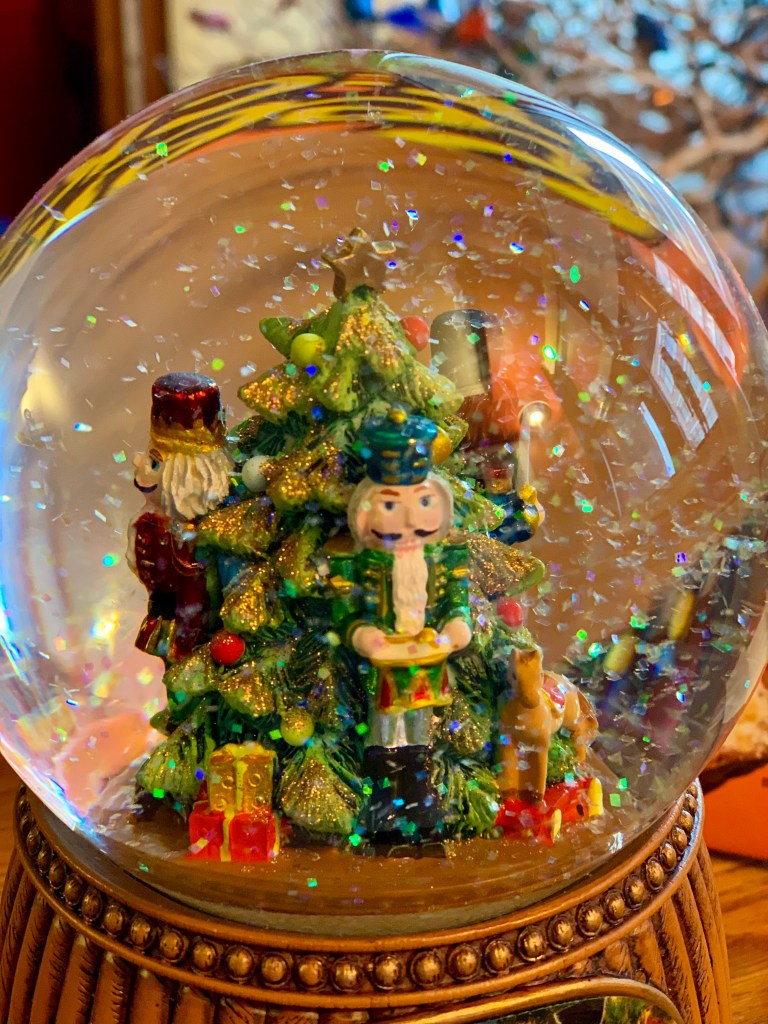
Heartfelt music, morning to night December brings joy, no matter the site. Children scamper ‘cross fields in the Commons, screaming and laughing in childhood chase. Away in a Manger’s sweet refrain fills my head as I slowly saunter on. Evergreens tall and warm in the sun nod in sympathy at neighborly oaks, their skeletal branches shivering in cold. Oh Tannenbaum wafts through the wind.
Back now inside, I stare at our tree. Fragile ornaments peek from the top. Mother’s pink bell of thinnest glass father’s airplane, with broken tail, both from their childhood days. What were they like, way back then? I wonder as I wonder on this Silent Night. This season of softness with candlelight, flickers that shift both time and space cause memories to flood through my head.
Mom hanging tinsel, strand by strand and dad’s ruddy cheeks, smoking his pipe. December’s calendar squares orderly, rigidly, sit in their rows. Not for me. They dance in my head. Musical numbers turned into songs turned into people and memorable times. Cold and blustery weather predicted, warms my soul with harmonious skies. Oh Come All Ye Faithful to celebrate His birth. And yes dear Virginia, oh my yes, I still do truly believe.
Grace hosts dVerse and asks us to “incorporate music in our poem from the persepctive of a synasthete. Synesthesia is a neurological phenomenon in which stimulation of one sense leads to automatic involuntary experiences of a second one.” For me, the month of December brings Christmas carols to mind almost anywhere I go, which triggers family memories.
The “Yes, Virginia” statement at the end refers to “eight-year-old Virginia O’Hanlon [who] wrote a letter to the editor of New York’s Sun, and the quick response was printed as an unsigned editorial Sept. 21, 1897.” The responding editorial reassured her. Yes, Virginia, there is a Santa Claus.
Photo taken yesterday. These are the two ornaments mentioned in the poem. They were on my parents’ childhood trees and are extremely fragile. Each year, I hold my breath when I unwrap them from tissue paper and place them on the tree; and when I carefully take them down, wrap them and store them for another year.
This early morning, Thanksgiving day before the dawn is bright, I contemplate by candlelight our family so afar.
Quiet am I now, as memories come and go. Travel to another state, the table set for many. Generations past. Grandchildren now grown. Scenes of happiness and laughter, dancing in my head.
Sun now risen, our day to share begins. Warmly we embrace, so thankful for each other. Later we shall sit to sing our family’s table grace. Only two place settings, two voices raised in song.
Thanksgiving 2020’s essence remains the same, thankfulness for God’s abundant blessings. Unique this year, we also have requests. We pray for more kindness in our troubled world and healing in these Covid times.
Shared with dVerse, the virtual pub for poets around the globe, and my friends and family, on this Thanksgiving day.
Still her ire for Orion seethes within her aching breast. Soulful search for daughter lost, sends her through the nebulae. Shedding tears each sparkling night sorrow steeps in starry scrim, solace never to soothe her.
Laura hosts Tuesday Poetics at hhttps://dversepoets.com. She asks us to write a poem in the Pleiades form: 7 lines, each with 7 syllable; a one word title; and each line must begin with the first letter of the title. Plus, she asks that we somehow write in relationship to the star constellation, Pleiades, sometimes called Seven Sisters. In mythology, the Peliades (seven sisters) and their mother were pursued by Orion. And it just so happens, only six of the sisters (stars) are visible to the naked eye. Legend has it, one sister disappeared. Hence the content of Searching, written from the mother’s perspective.
Death rattles nearby cold winter has stripped trees bare. Branches jerk in wind create shadows in our room. I seek comfort in your arms.
Frank is hosting MTB at dVerse, the virtual pub for poets around the globe. Today, he asks us to write a Japanese death poem which can be in the form of a tanka if we choose. He explains that a Japanese death poem speaks of imminent death but at the same time, extolls the significance of life. A tanka is similar to a haiku, but longer: 5 lines of 5-7-5-7-7 syllables.
You saw me as a refugee. My piercing eyes your prize. I was, am more than that. I walked miles over mountains. Mountains of earth, violence hatred and poverty.
You asked no permission. You saw in my eyes . . . what? Pain, loss, my future? My future was with or without your use of me. Your lack of concern for me.
Your future, on the other hand calloused or not, your future was in my eyes. And they appeared everywhere while they were still here. One click and you were gone.
I became your prize photograph. I was your prey.
Mish hosts Tuesday Poetics at dVerse, the virtual pub for poets around the globe. She asks us today to “look into my eyes”, giving us several ways to do that in her prompt for our poem.
My poem is written from the perspective of Sharbat Gula. Her photo was taken in 1984, by Steve McCurry and subsequently used as the cover for the June 1985 issue of National Geographic and the large book National Geographic: The Photographs published in 1994. This photo has been called “The First World’s Third World Mona Lisa.” The photo was published without her consent and the identity of the photo’s subject was not initially known. At the time, she was a child living in the Nasir Bagh refugee camp in Pakistan during the Soviet occupation of Afghanistan.
National Geographic later searched for her, not knowing her name. They found her and produced a documentary “Search for the Afghan Girl” which aired in March 2002. In her recognition, National Geographic created the Afghan Girls Fund, a charitable organization with the goal of educating Afghan girls and young women.  In 2008 the scope of its mission was extended to include boys and was renamed the Afghan Children’s Fund. After finding Sharbat Gula, National Geographic also covered the costs of medical treatment for her family and a pilgrimage to Mecca. Hers is an amazing story and can be found at https://en.wikipedia.org/wiki/Afghan_Girl