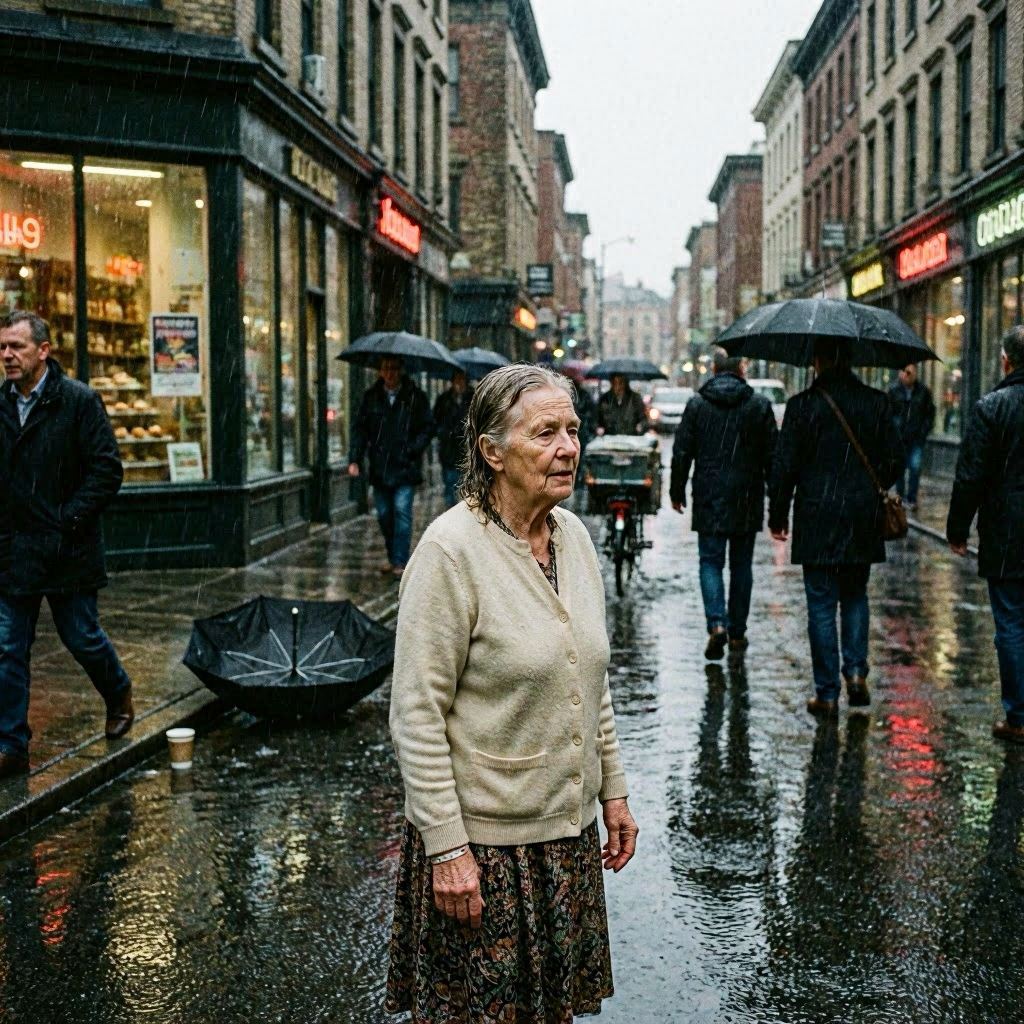
She’d wandered away again. Rain pelted sidewise, passersby doggedly plodded forward. Uncooperative umbrellas flipped inside out. She was invisible to them.
Sopping hair plastered her head, clothes adhered to her skin like shrink wrap over packaged chicken. Three miles away, her caregivers were frantic.
De is hosting Quadrille Monday at dVerse, the virtual pub for poets around the globe. We’re to write a poem of exactly 44 words (sans title) and include the word “dog” within the body of the poem. We may use a form of the word or a word that includes the word “dog” within it….hence “doggedly” in my poem. AI image generated on Bing Create.
Some days I feel as though I’m listing, weighed down by too much news. Hantavirus, gas prices, John Roberts resurrecting Jim Crow, taxpayer money gilding an extravagant, exaggerated, excessive, exorbitant, extraneous, bawdy ballroom for Mr. You Know Who.
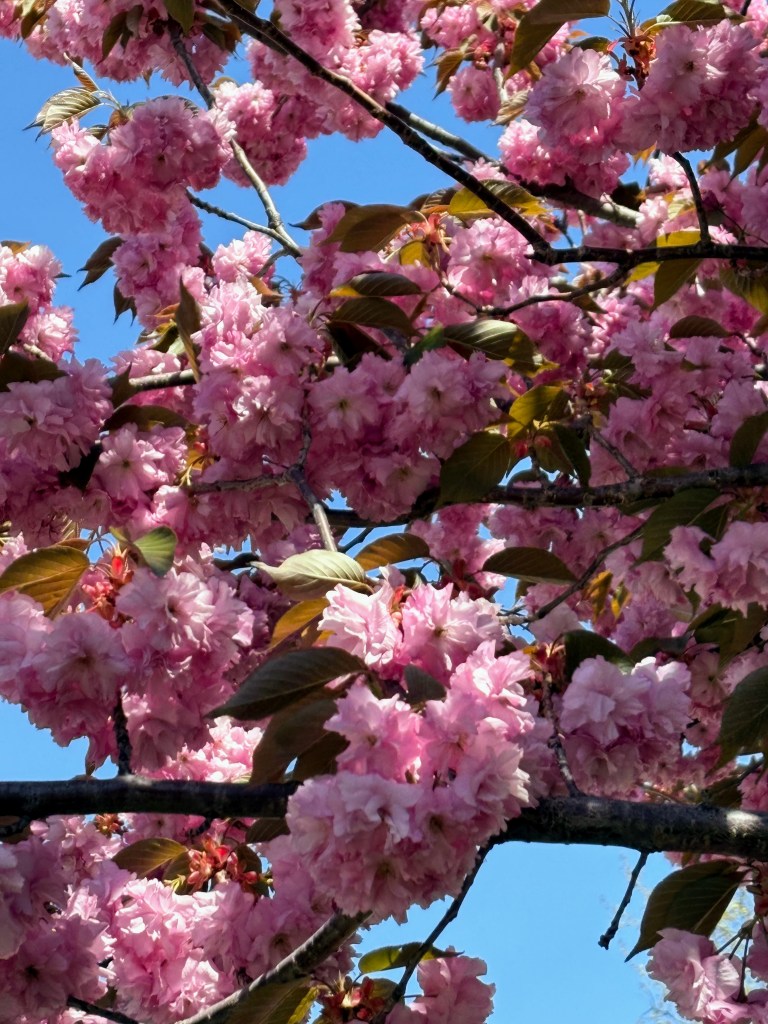
Perhaps a blooming list might brighten my day. My favorite blooms then, in no particular order: hyacinth, cherry blossoms, tulips, daffodils, crocus, lilacs and *panties of the week.
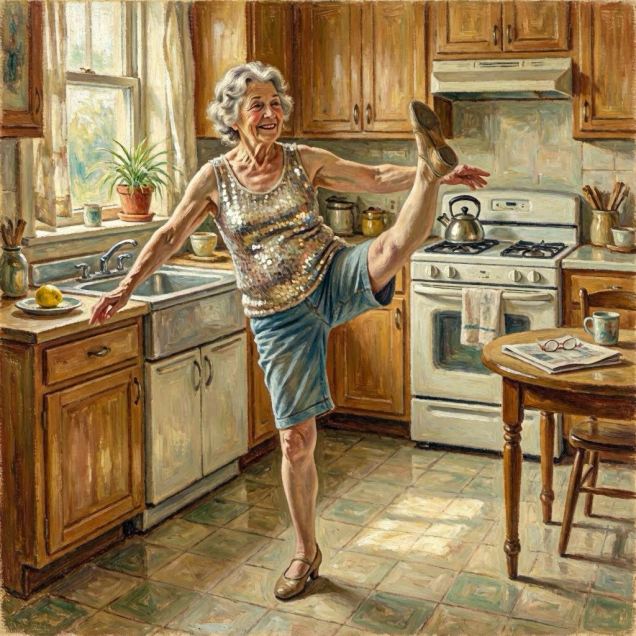
Listing toward eighty now, purple veined hands, crepey knees, fading eyebrows, expanding girth. All changes I can live with. I can still dance the waltz, twist lasciviously, bunny hop ridiculously and show off my *bloomers doing high Rockette kicks.
So the point is, listing at my age is more than a poetic feat. It should tell you I am alive and well, not planning any time soon to take a docile back seat!
Written for dVerse, the virtual pub for poets around the globe. Today, Bjorn from Sweden is hosting.
WORDS OF EXPLANATION: 1. The astericks on panties and bloomers. Back in the day, panties were called bloomers!
2. Panties of the Week were a very popular fad in the 1950s. You bought a 7-pack of girls underpants and each one had a day of the week embroidered on them!
3. The Prompt: Bjorn asks us to write a “list poem”. He says, “The use of lists in poetry can be very powerful. You can start with a list and expand around it. Maybe even your shopping list can be made into poetry by reflecting on what the list tells you about the season. The whole poem may be a list, but you may also use a section only as a list.”
So basically we’re to write a poem that involves listing. I had fun with this one!
How do people learn to parent? Do we learn it as we go? Is it a task with diminishing returns?
We erect loving fences round our infants. Envelop them in our arms, nurture them at the breast, cocoon them in swaddled sleep. At varying degrees we watch, hover, interfere or cheer, as they crawl, toddle, run, stumble, fall and get back up again. Fences open as we send them to school. Teachers flick reins with encouragement to lope, gallop, join the race, keep up the pace. Soon fences disappear completely. Children gone more than they’re at home. Is parenting a conundrum? Love and attachment grow stronger every day even as we encourage independence, even as their days with us are numbered. Suddenly they’re adults raising their own as we look on from another place. We hope the path they walked with us was well tread, remembered fondly. We relish our memories as we wait for their muscle memory and that thing called familial love to occasionally nudge them back into our sphere again.
Written for dVerse, the virtual pub for poets around the globe. Today Punam reminds us that in India, May is a month where there will be art exhibits across many cities. She provides us with several artworks that can motivate an ekphrastic poem, or we can be inspired by one of the following names of some of these art shows: 1. Nothing Twice 2. Chance Remains of Another Time 3. Open Fences
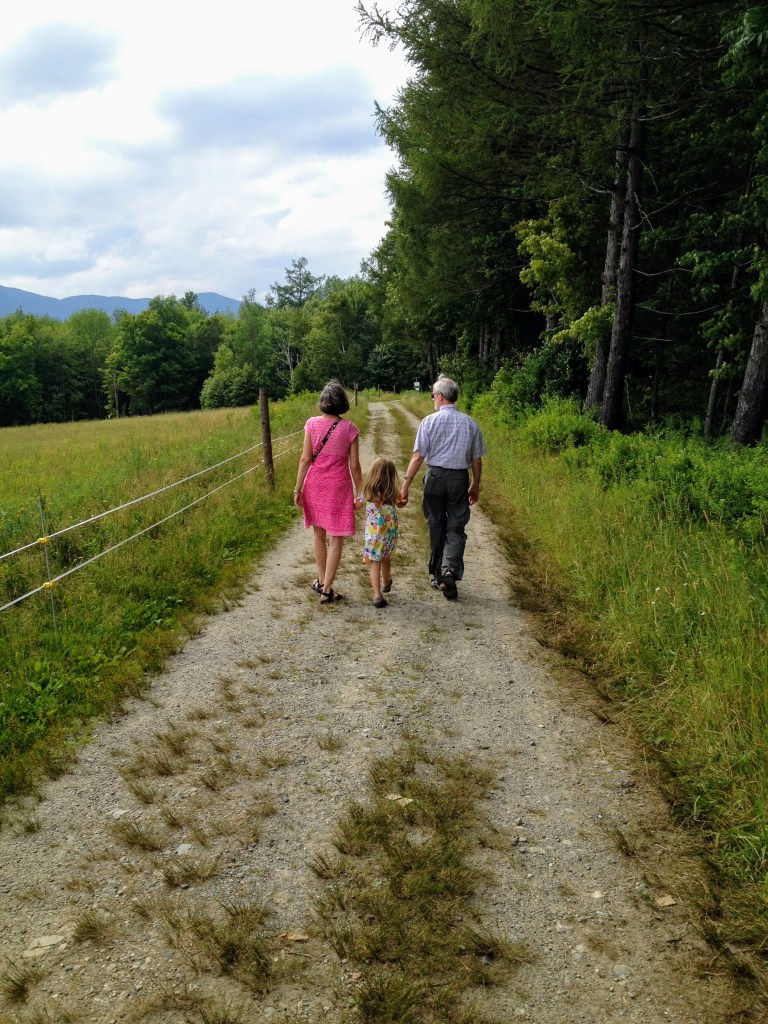
Photo is us with our granddaughter who is now 18! How time flies!
Brought up Catholic in a rural town, crucifixes in every room of the house. Weekly traumatic recitations of sins to the confessional grate. Anne-Marie fled when she turned eighteen. In New York City she buried her head in anonymity: crowded streets and subways. Religion and family left behind, she savored freedom in the solitude of multitudes. Then came the call.
“Your father is dead. Don’t come home. It’s too late.”
So Anne-Marie simply went to bed . . . for days.
Until she found herself in a church. Walking down the aisle pushed by childhood memories. Muscle memory bent her knee in genuflection. At the communion rail, her hands appeared in front of her. Thin wafer received. Consumed. But then came wine? Since when? And the faint perfume from its chalice steals her resolve. She gulps as tears flow. Somehow, she’s back in the fold.
Written for Prosery Monday at dVerse, the virtual pub for poets around the globe. BUT, today, we write flash fiction!
Prosery is a form created by dVerse. A line from a poem is provided and we must include the line, word for word, within a piece of flash fiction of 144 words or less. The line provided today is “And the faint perfume from its chalice steals ” from the poem Sympathy by Paul Laurence Dunbar.
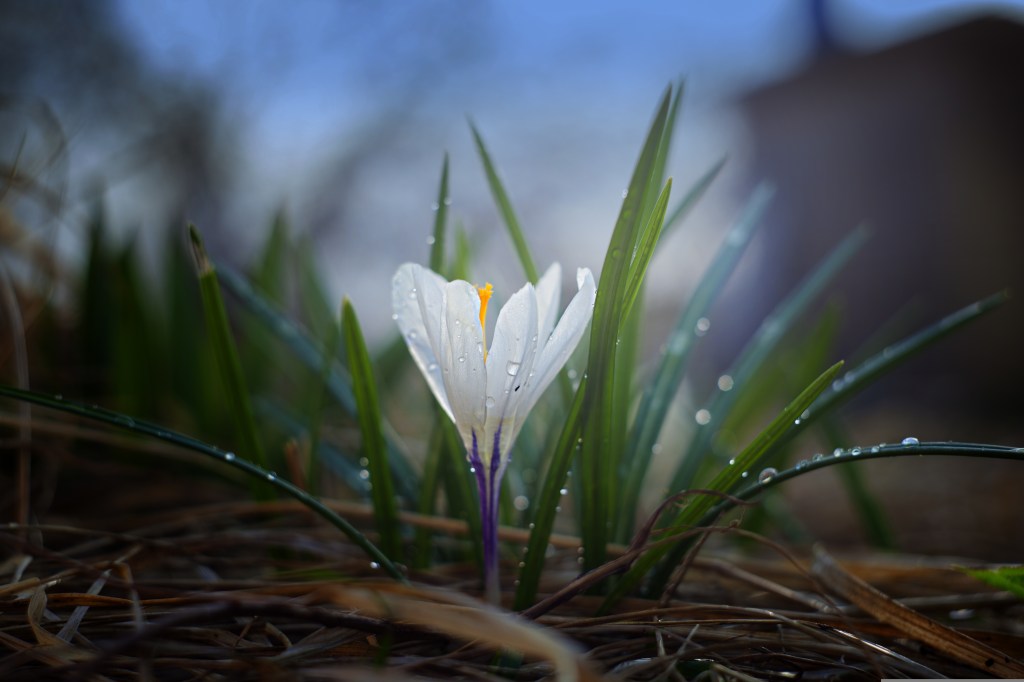
Goodness blooms this time of year. Pushy crocus show off first then tulips admire daffodil ruffles, hyacinths invoke delicious inhales. Trees begin to dress for the occasion. Don magnolia flowers, cherry blossoms, crab apple trees defy their name. We shed coats, walk more sure-footed on warming sidewalks and greening lawns. Infants’ arms wave more freely, cumbersome snowsuit padding gone. Robins appear, geese begin to nest. Mountains’ winter toppings melt, cascade in waterfalls to brooks below. Streams rush over rocks, gurgling their spring symphony. And I, I smile as I step outdoors reveling in another year of life.
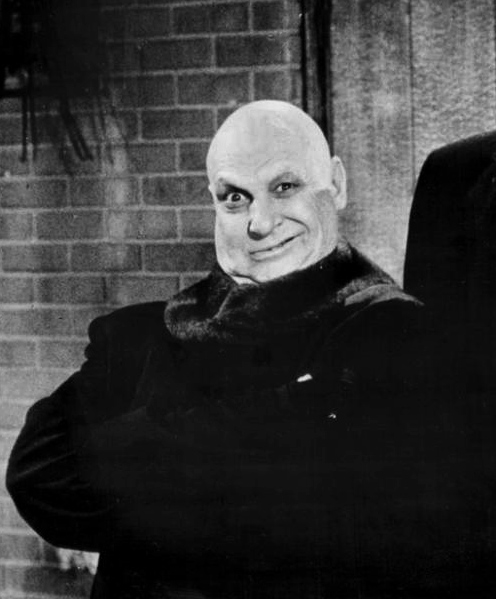
We have an Uncle Fester, almost eighty, his behaviors are causing concern. Sends out weird pictures of himself. One day he’s a fighter pilot dropping feces bombs, the next day he’s Jesus Christ.
Someone made a whopper mistake, gifted Uncle Fester a label-maker. He slapped his name everywhere. We’re talking street corner signs, the neighborhood center, and the cemetery too.
Shocked my aunt by gilding his den then bull-dozers suddenly appeared, tore down their living room! Shocked beyond words she asked him why. “We need a ballroom” he said. “For what?” she screamed, “You don’t even dance!”
Sits up all hours of the night posting, posting, posting. Posted eleven times in forty-two minutes, then fell asleep at inopportune times. Brings up a contest he lost six years ago. Claims he won though facts say he lost. Brings it up over and over and over again.
Hoists f-bombs at neighbors and friends. Can’t stay on topic when he talks, wanders off with grandiose lies. According to him, he’s the absolute best at everything there ever was. We hear it over and over and over again. So what do you think? Is there cause for concern?
Hmmmmm……do you think Uncle Fester sounds like Donald Trump? My apologies to the “real” Uncle Fester! He’s a character in the fictional Addams Family. Image is of Jackie Coogan playing the role. Image is in public domain.
Written for dVerse, the virtual pub for poets around the globe. Today Sanaa is hosting Open Link Night AND will host a LIVE session with audio and video on Satuday, May 9th from 10 to 11 AM EST. All are welcome to join. A link is provided on Thursday’s OLN page here.
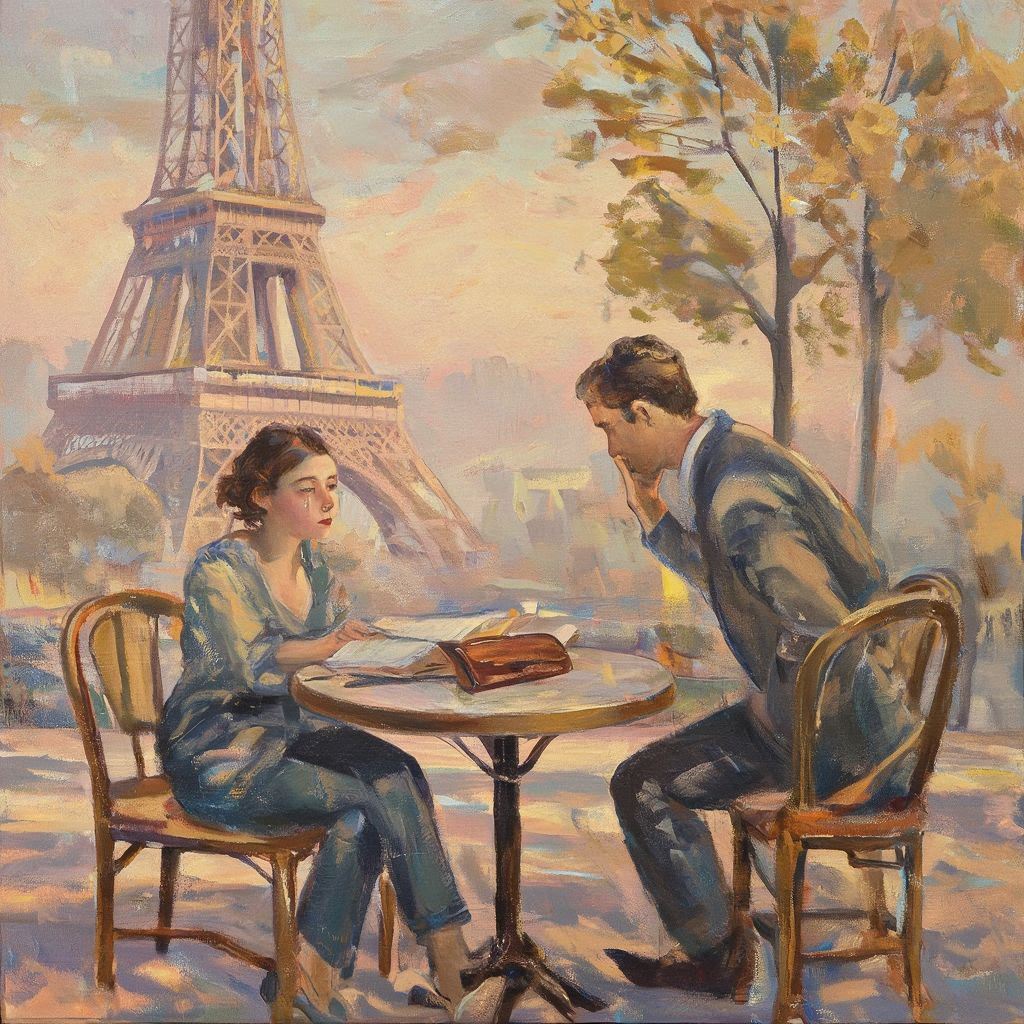
Sipping bordeaux, afternoon delight. She, the queen of hearts, oblivious. He, her soul’s sustenance, sits restless in the tangles of foment. His love, her peace and windrush. His lust, her quicksilver.
Poetry is a testament to noticing. Journal upon the table, pen hesitates, writing stammers, then suddenly stops. Eyes look up, gaze high. SentinelEiffel Tower looms overlooking this changing scene.
Her hands shake, tears form. Looking at him, she knows. This seasonal song has no coda, final movement complete. He nods slowly, touches her hand, whispers I’m sorry and leaves. For her, the summer is done.
Written for Tuesay Poetics at dVerse, the virtual pub for poets around the globe. Today Merril gives us a list of names given to roses and asks us to write a poem including at least five of the names. We cannot use the word “rose” wtihin our poem. The rose names are Afternoon Delight, Bordeaux, Brass Band, Cayenne, Desdemona, Ebb Tide, Eiffel Tower, Golden Gate, Mermaid, No Surrender, Peace, Penny Lane, Queen of Hearts, Quick Silver, Restless, Sea Foam, Summer Song, Tangles, White Wings, and Windrush. I’ve included the ten that are in bold print.
Image AI generated on Bing Create.
“Poetry is a testament to noticing” quoted from Poetry Unbound, 50 Poems to Open Your World, by Padraig O Tuama, Irish poet and theologian.
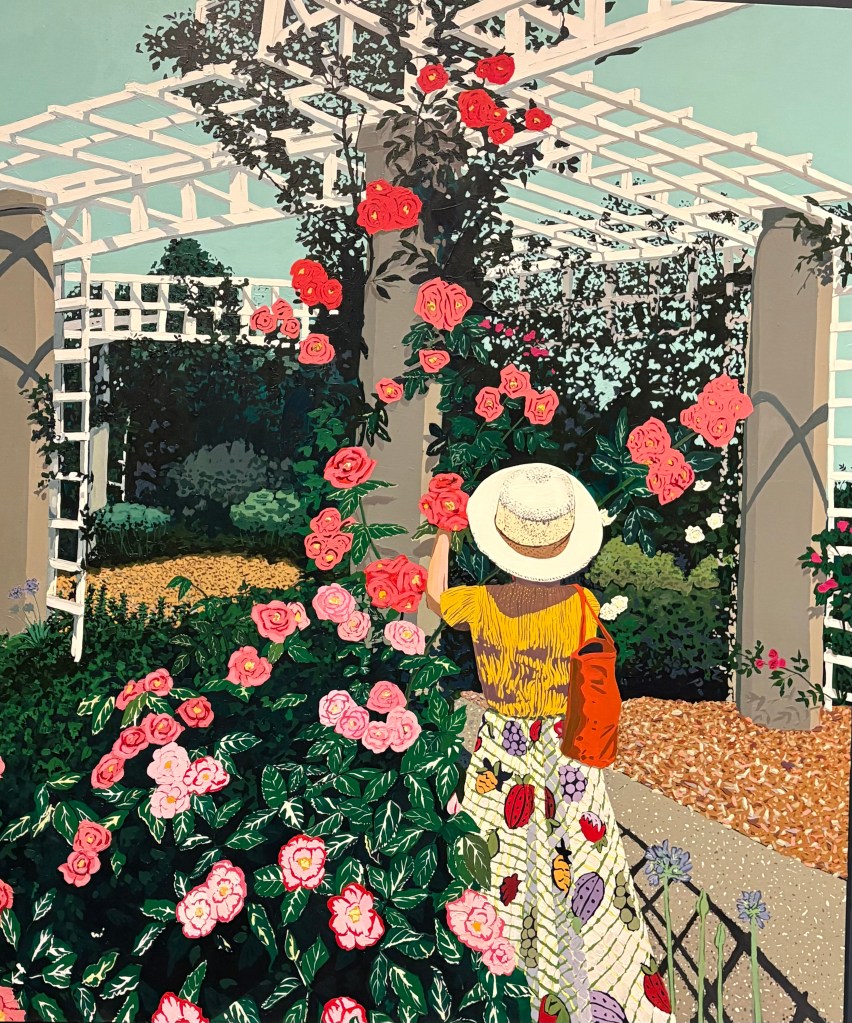
She bloomed in every setting. Rose patterned everyday dresses, cherry cheerful flannel pajamas, fruit speckled summer skirts. Wisteriaed wall paper wooed her to sleep each night. Bougainvillea borders bedecked her breakfast nook. She lived up to her name, Lily lived a lovely cheerful life.
Written for Quadrille Monday at dVerse, the virtual pub for poets around the globe. Today I’m hosting at the pub and asking folks to write a Quadrille (a poem of exactly 44 words, sans title) that includes the word “bloom” or a form of the word.
Image: Hopie in the Garden, painted in 2021 by Hilary Pecis, on display at Boston’s Museum of Fine art in their Framing Nature: Gardens and Imagination exhibit.
Explanation of Tussie Mussie: During Queen Victoria’s reign (1837 – 1901) a small bouquet of flowers called a tussie mussie was a common accessory. Flowers were considered more modest adornment than jewelry for young women.
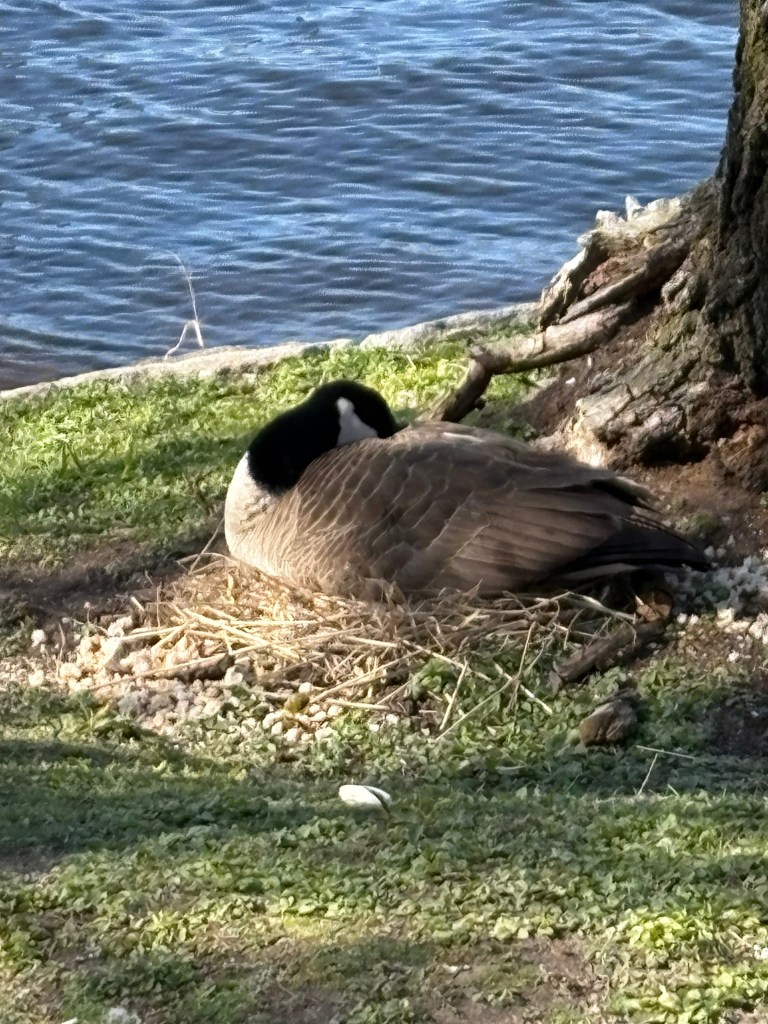
I meander the riverside. Meanwhile the globe spins frenetically, as much of the world is amok in violent rhetoric. Walking offers views of spring. Geese nesting, itself testament to the season’s rebirth. To see the female sit patiently upon her nest, your reminder. Hope lives within the imagination.
Written for Meet The Bar Thursday at dVerse, the virtual pub for poets across the globe. Today we’re asked to write a Golden Shovel Poem.
What is a Golden Shovel Poem? It’s a poetic form where the last word of each line in a new poem, when read vertically from top to bottom, creates a line from another poet.
What line from another poet have I used in my Golden Shovel Poem? “The world offers itself to your imagination” from Mary Oliver’s poem Wild Geese.
Photo taken on my walk yesterday, along the banks of the Charles River here in Boston.