On this day . . .

This early morning, Thanksgiving day
before the dawn is bright,
I contemplate by candlelight
our family so afar.

Quiet am I now, as memories come and go.
Travel to another state, the table set for many.
Generations past. Grandchildren now grown.
Scenes of happiness and laughter, dancing in my head.

Sun now risen, our day to share begins.
Warmly we embrace, so thankful for each other.
Later we shall sit to sing our family’s table grace.
Only two place settings, two voices raised in song.

Thanksgiving 2020’s essence remains the same,
thankfulness for God’s abundant blessings.
Unique this year, we also have requests.
We pray for more kindness in our troubled world
and healing in these Covid times.

Shared with dVerse, the virtual pub for poets around the globe, and my friends and family, on this Thanksgiving day.

Searching

Still her ire for Orion
seethes within her aching breast.
Soulful search for daughter lost,
sends her through the nebulae.
Shedding tears each sparkling night
sorrow steeps in starry scrim,
solace never to soothe her.

Laura hosts Tuesday Poetics at hhttps://dversepoets.com. She asks us to write a poem in the Pleiades form: 7 lines, each with 7 syllable; a one word title; and each line must begin with the first letter of the title. Plus, she asks that we somehow write in relationship to the star constellation, Pleiades, sometimes called Seven Sisters.
In mythology, the Peliades (seven sisters) and their mother were pursued by Orion. And it just so happens, only six of the sisters (stars) are visible to the naked eye. Legend has it, one sister disappeared. Hence the content of Searching, written from the mother’s perspective.

Her Name is Sharbat Gula

You saw me as a refugee.
My piercing eyes your prize.
I was, am more than that.
I walked miles over mountains.
Mountains of earth, violence
hatred and poverty.

You asked no permission.
You saw in my eyes . . . what?
Pain, loss, my future?
My future was with or without
your use of me.
Your lack of concern for me.

Your future, on the other hand
calloused or not,
your future was in my eyes.
And they appeared everywhere
while they were still here.
One click and you were gone.

I became your prize photograph.
I was your prey.

Mish hosts Tuesday Poetics at dVerse, the virtual pub for poets around the globe. She asks us today to “look into my eyes”, giving us several ways to do that in her prompt for our poem.

My poem is written from the perspective of Sharbat Gula. Her photo was taken in 1984, by Steve McCurry and subsequently used as the cover for the June 1985 issue of National Geographic and the large book National Geographic: The Photographs published in 1994. This photo has been called “The First World’s Third World Mona Lisa.” The photo was published without her consent and the identity of the photo’s subject was not initially known. At the time, she was a child living in the Nasir Bagh refugee camp in Pakistan during the Soviet occupation of Afghanistan.

National Geographic later searched for her, not knowing her name. They found her and produced a documentary “Search for the Afghan Girl” which aired in March 2002. In her recognition, National Geographic created the Afghan Girls Fund, a charitable organization with the goal of educating Afghan girls and young women.  In 2008 the scope of its mission was extended to include boys and was renamed the Afghan Children’s Fund. After finding Sharbat Gula, National Geographic also covered the costs of medical treatment for her family and a pilgrimage to Mecca. Hers is an amazing story and can be found at https://en.wikipedia.org/wiki/Afghan_Girl

Iowa Morning

Septuagenarian farmer sows seed.
His eyes shine brightly
imagining possibilities.
One last bumper crop
then winter’s rest.

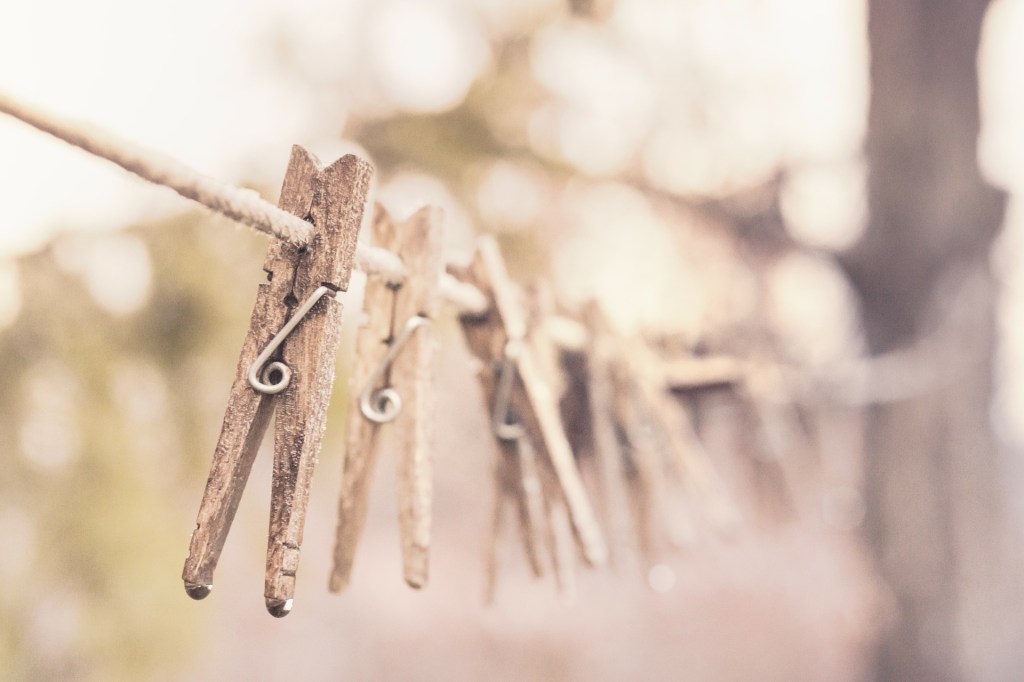
Pinning percale sheets on line,
she turns to stare across the fields,
proud of him, their land, their children.
Inside clapboard farmhouse
baking bread wafts yeasty scent.

Written for Quadrille Monday at dVerse, the virtual pub for poets around the globe. De is hosting and asks us to literally ponder possibilities. Key word to use in our exactly 44 word poem (sans title) is “possible” or a form of the word. Photo from pixabay.com

Rubicund Me Rosy Red

Christmas is red,
with or without snow.
I am tone deaf but rosy carols come naturally.
Heart blooms musically as cheeks blush rouged.
Passed in ’98, mother’s memory crimson bright,
tinsel lover carefully silvered red bauble balls.
Red skirt paled beneath gauzy apron always smudged
snowy confectioner sugar streaks and gravy tracks.
Life’s red blood stopped as father’s bubble lights died.
Mulled wine evokes spiced rubicund scent.
Red hot ire most of the time creamsicles to softer pink.
Passion flames blend to ever-companion,
berry bright books and lover in my bed.
Down comforter snuggled save cold red nose,
which brings me back to Rudolph.
Christmas is red.

Today Grace hosts dVerse, the virtual pub for poets. She is teaching us about synesthesia, a “neurological phenomenon in which stimulation of one sense leads to automatic, involuntary experiences of a second one.” Today, we are focusing on Grapheme Color Synesthesia, the most widely studied and common type of synesthesia.

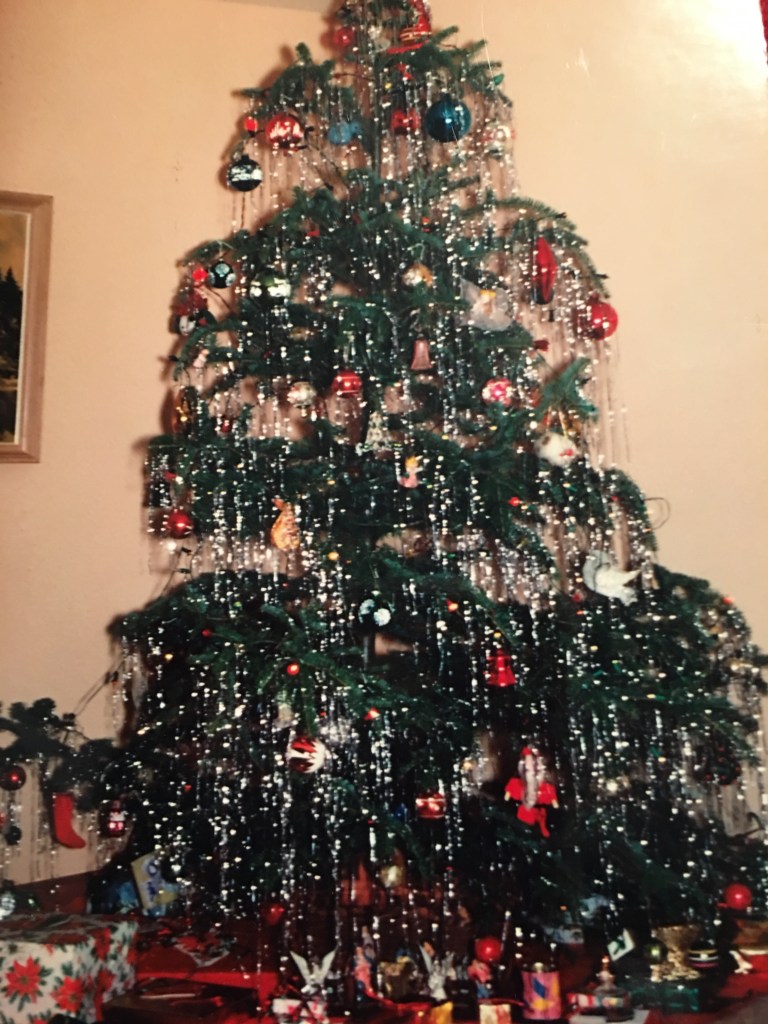
For today’s prompt, we are to write about color from the perspective of a synesthete. Pick one color or several colors and create our own dictionary of color. What I chose to do was write in a stream-of-consciousness format, reacting to the color red. Photo is Christmas tree of my childhood. My mother loved tinsel.

A Time to Cherish

November winds strip trees of autumn glory.
Squirrels scamper in fallen leaves,
seeking nuts for winter stash.
We come inside, to this warm home
many of us coming from miles away.
We reconnect, play with little ones,
share new stories and old ones too.
We talk of elders who for so many years
graced the adult table when we were young.
This feast we put upon the table today
turkey, dressing, and all the fixings
cause for joy.
But the real feast is so much more.
It is the sharing, the sitting with,
the laughter and the caring.
It is in the actual gathering.
Our family in thanksgiving,
witness to our love.

Sanaa is hosting Tuesday Poetics at dVerse, the virtual pub for poets across the globe. She asks us today to think about what November means to us. Sadly, because of Covid, this will be the first time in fifty years, we will not travel to Chicago to be with our extended family for Thanksgiving. We miss them. Illustration: Norman Rockwell’s famous painting, Freedom from Want, which is in public domain.

Hope on the Horizon

In the darkness before dawn
we await so much.
Equality, justice,
civility, health.

I feel the arms of hope
reach out to comfort us.
Envelop our earth’s girth,
wrap ‘round this country’s soul.

In the darkness before dawn
we know in our hearts
the sun always perseveres.
It rises phoenix-like,

breaks through tumultuous clouds
strikes down darkness
and births a new day.

Photo: a recent dawn in our beloved Provincetown.

Love Is . . .

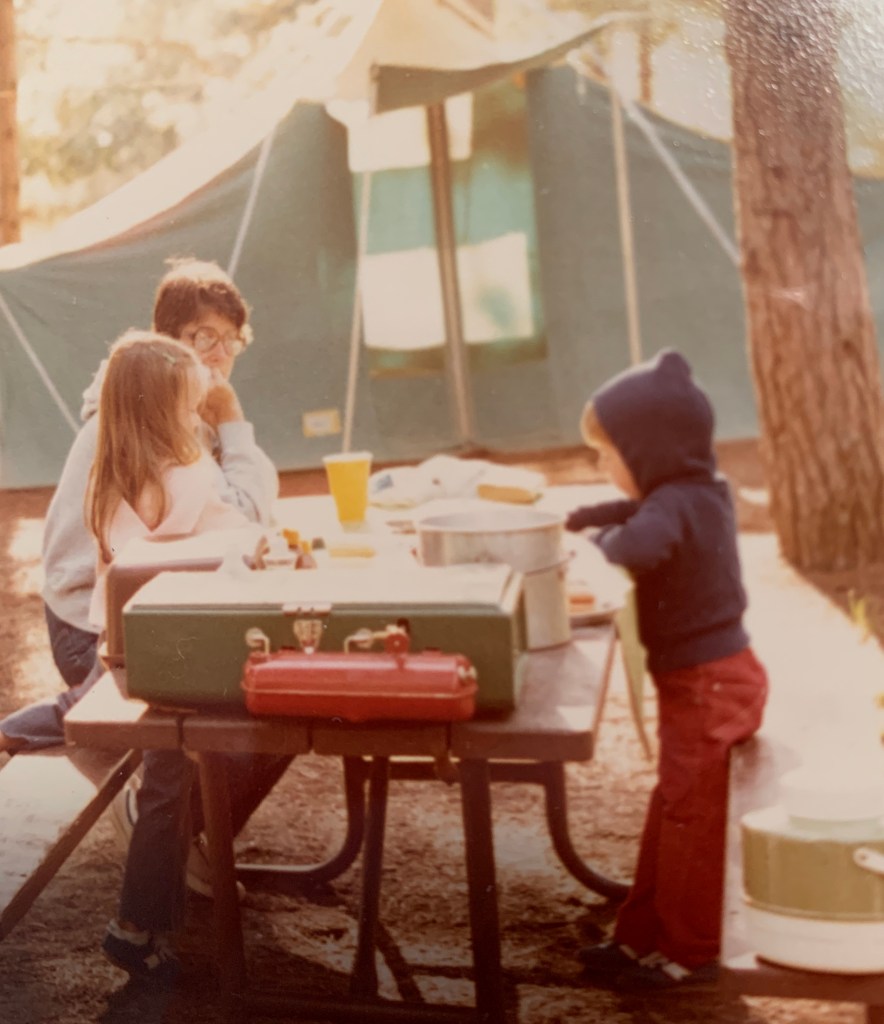
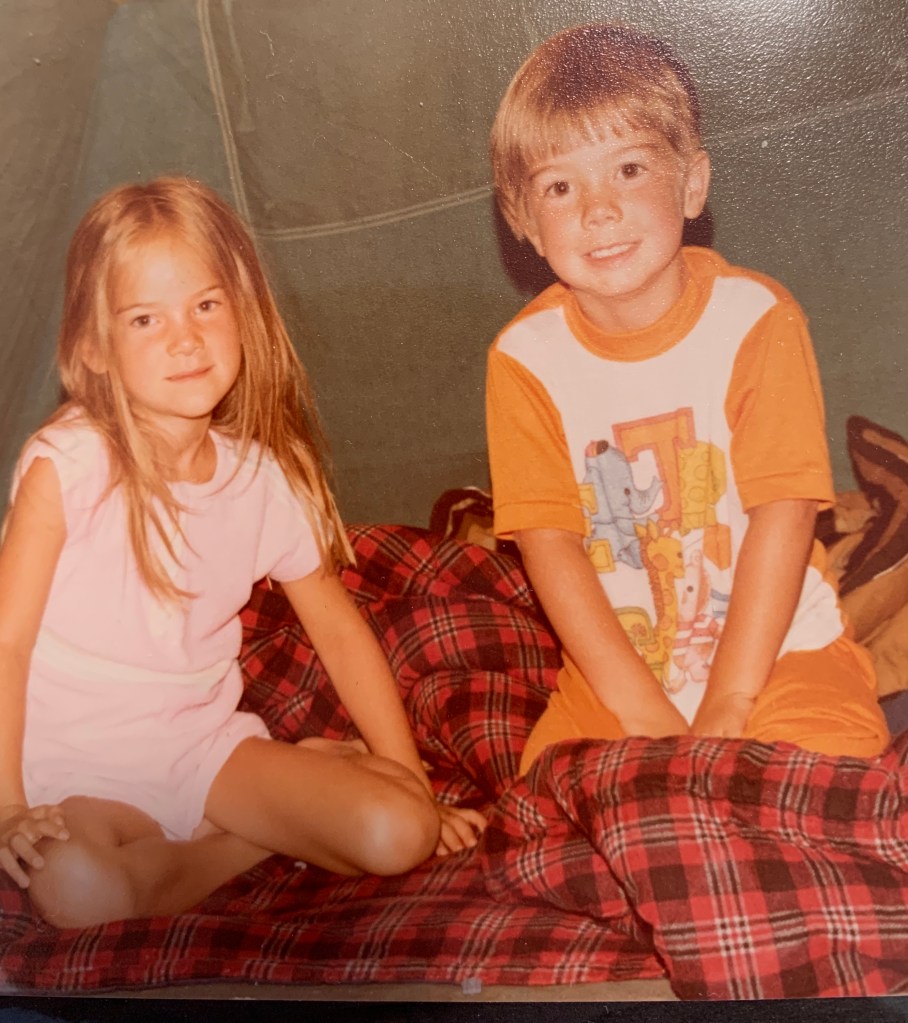
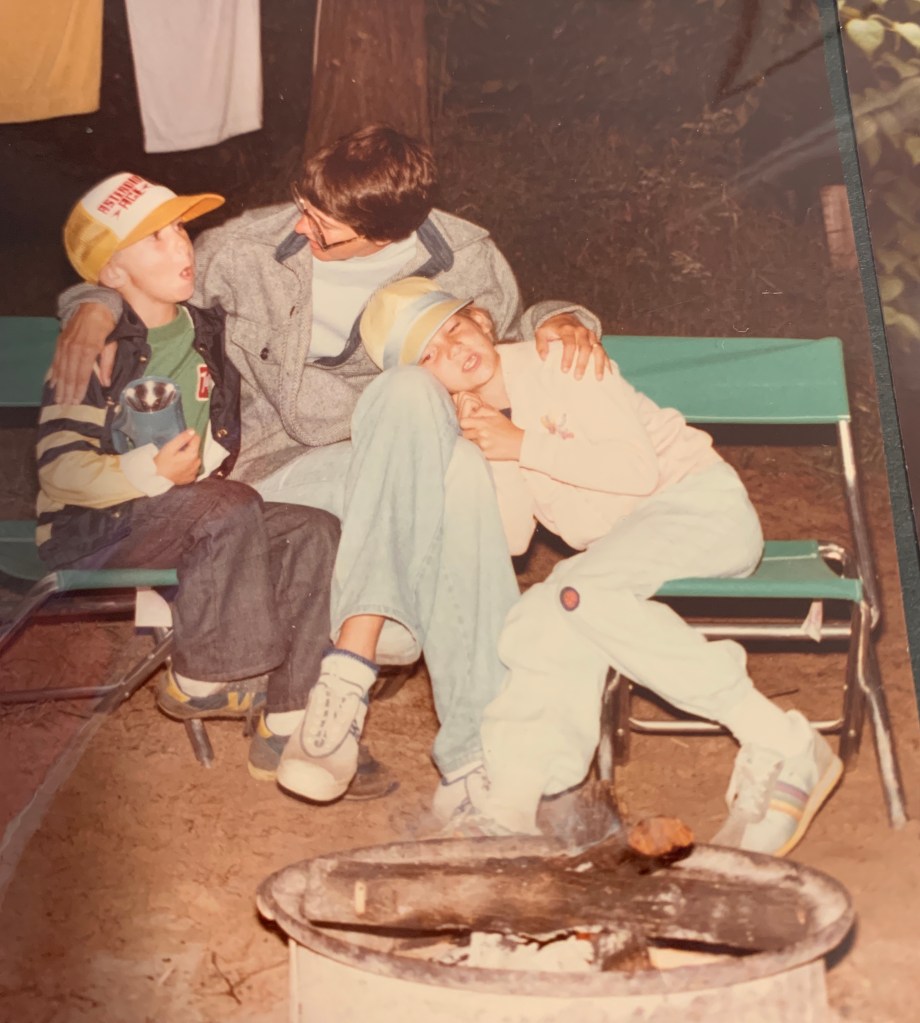
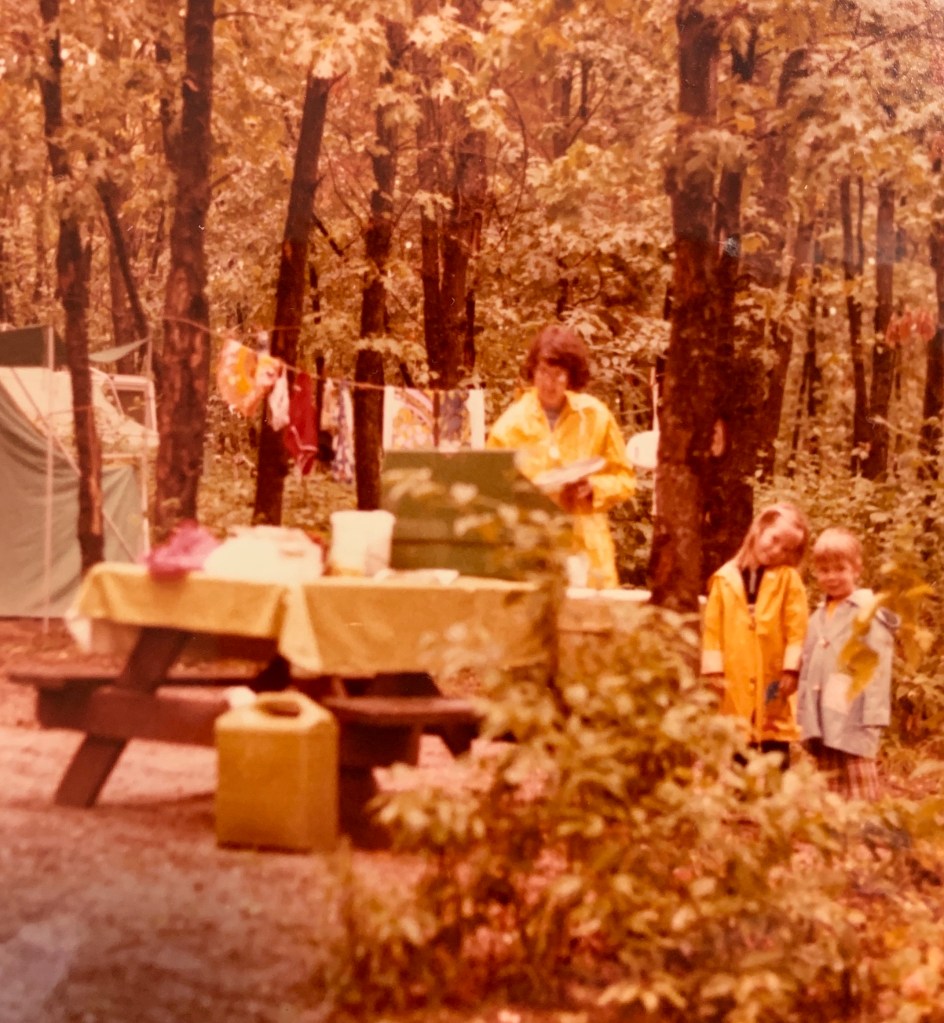
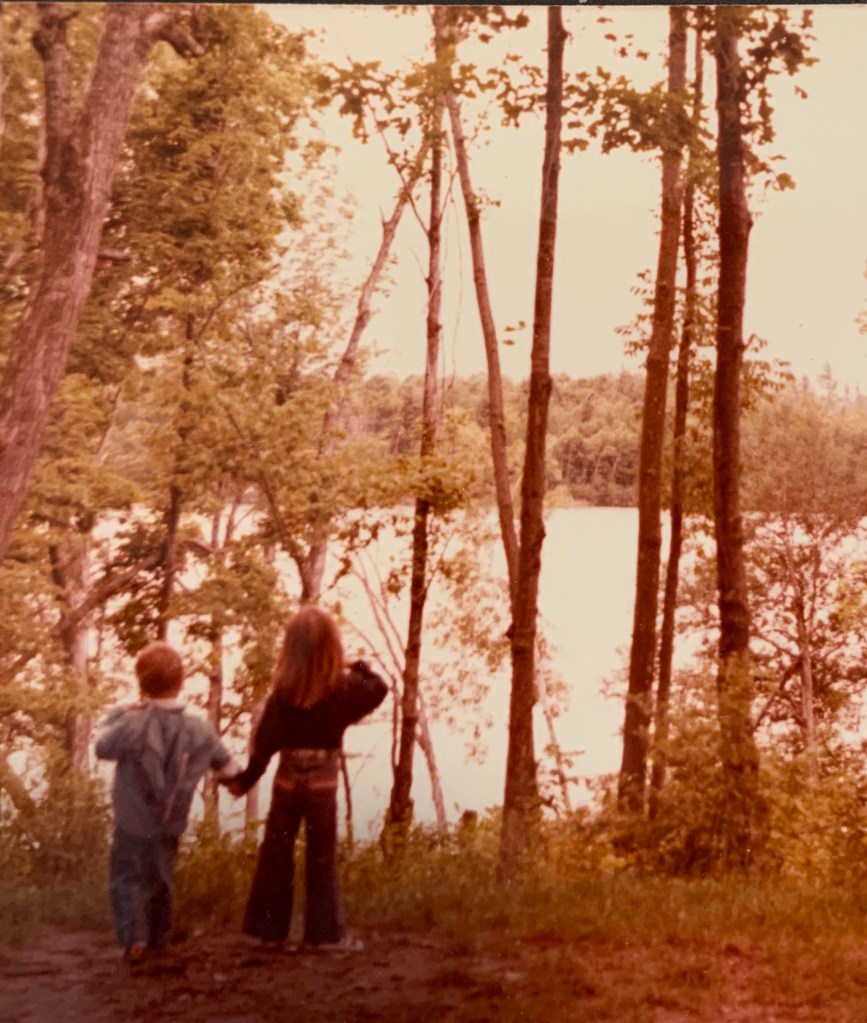
Just twenty months apart, they grew up together. Whispered secrets through a grate between their bedroom walls. Shared stories at supper time. Shared chores on family camping vacations. One tent for the four of us. Four small blue canvas chairs always set up by the campfire site. We sat together talking. Sometimes stared at stars and moon; watched ember sparks glow. They always slept soundly when the lantern was doused, even in their teenage years. Cocooned in sleeping bags.

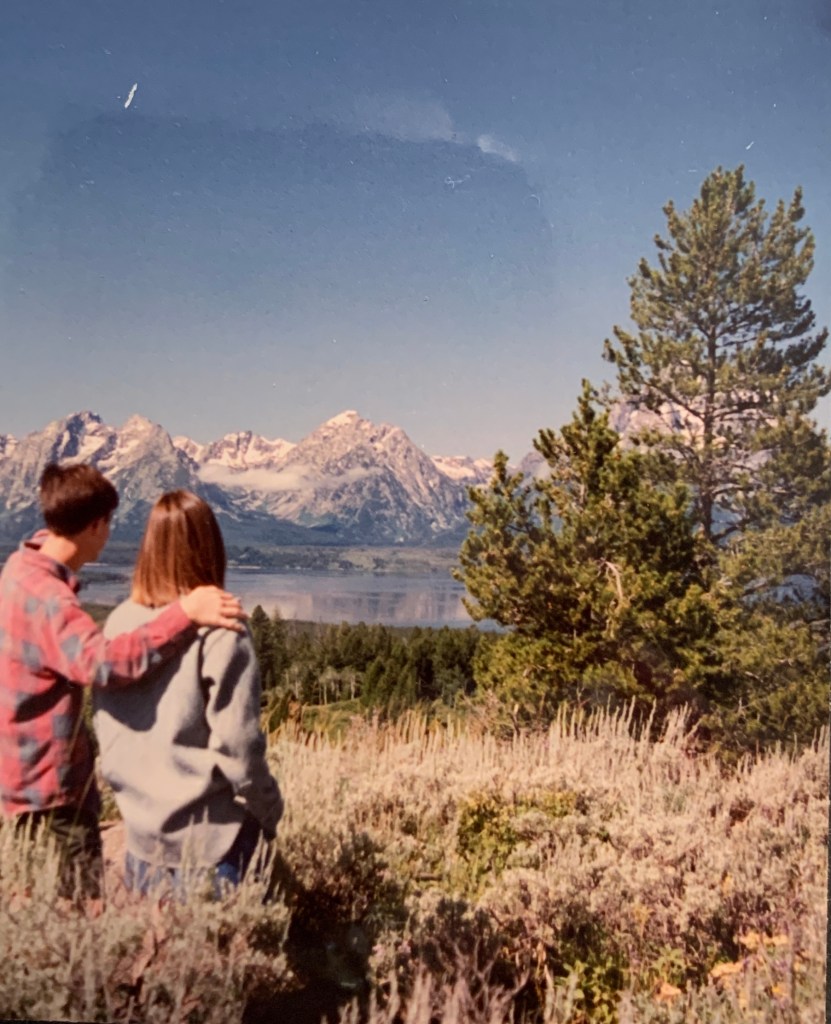
Years later, they live six-hundred miles apart. Raising their families. Busy with life. Those starry nights are part of who they are. Like deep and long roots sustaining the stately oak, those special times inform how they define family. I wonder if in their dreams, they sleep with the moon shared between them still. Far apart, but always akin.

Written for Prosery Monday at dVerse, the virtual pub for poets around the globe. Today, Merril is hosting and asks us to include the line “In their dreams, they sleep with the moon” in a story or memoir (some type of prose; cannot be poetry). The line is from Mary Oliver’s Death at Wild River.

To Everything There is a Season

City folk turned country dwellers
we weathered through the seasons.
First-time home-owners on thirty acres,
we rented out our fields.
Watched corn and wheat planted,
then flourish in hot Iowa sun.

Harvest seasons came and went.
Like shapeshifters,
acres changed their landscaped views.
Plant, tend, reap, rest.
We marked off years waiting,
hoping for a blooming of our own.

And then, pregnant with expectation
we watched my belly grow,
just as the wheat and corn grew tall.
Similar to mother earth that year,
we gave birth, finding sustenance
in the fruits of our labor.

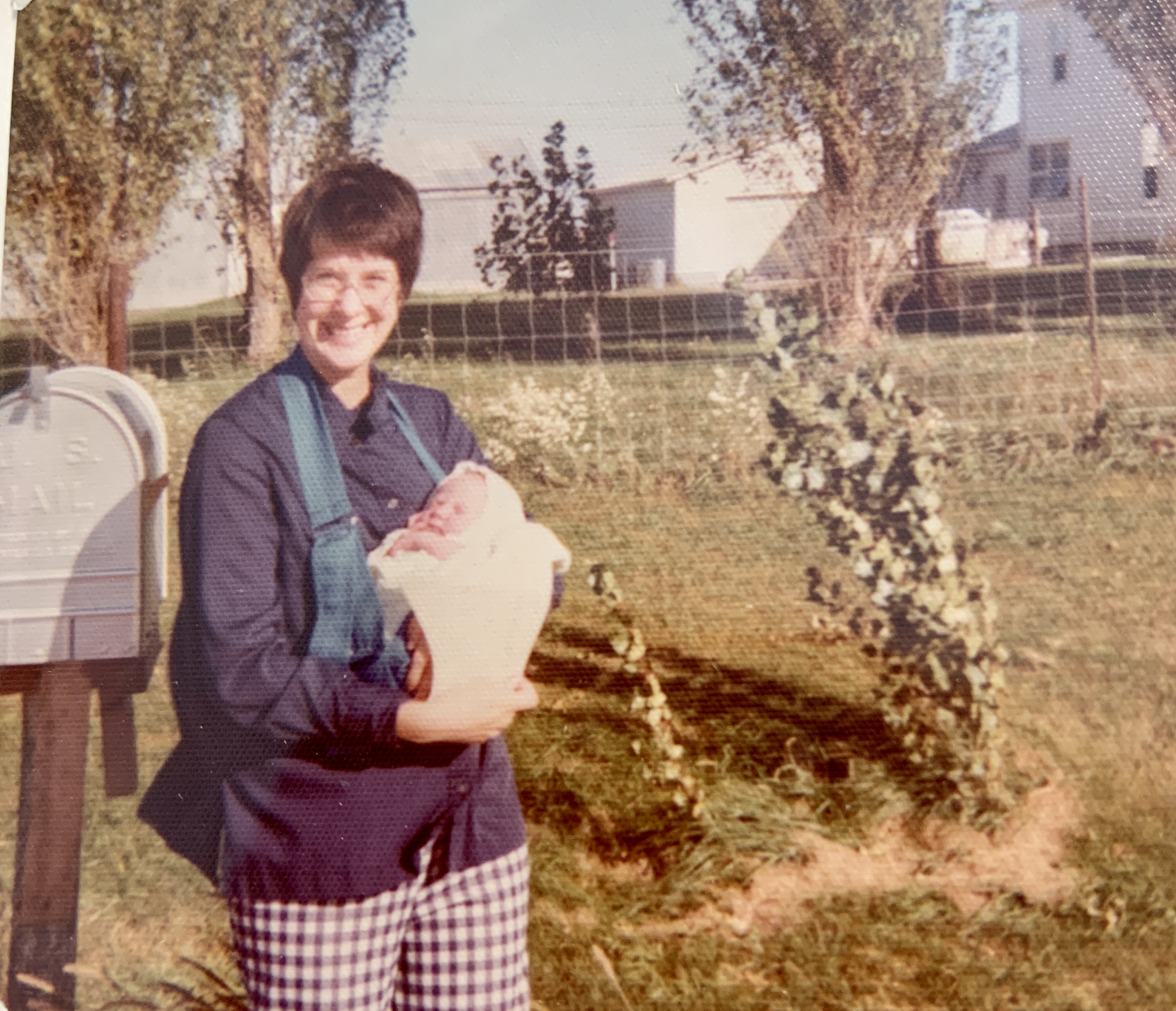
And then one bright September day
we brought our daughter home.
Stood blinking from the sun’s glare
holding her up amidst the fields,
thankful for new life
in this, our season of joy.  

Written for Tuesday Poetics at dVerse, the virtual pub for poets across the globe. Today, Rose is guest hosting and titles her prompt “Waiting on Wheat” – asking us to somehow write about wheat within our poem. Photos are from our homestead in Iowa, in 1974. Yep – that’s me with our daughter on the day I came home from the hospital. In those days, it was common to stay in the hospital for 5 days! Even after a normal birth. My how times have changed! The title for the poem comes from Ecclesiastes in the Bible and was also turned into a wonderful song written by Pete Seeger, first recorded in 1959.

A Child’s Wish Updated

Would that we all could be
Wynken, Blynken, and Nod,
sailing and bobbing along
on beautiful misty seas.

Snuggled together in our boat
lullaby waves softly lulling,
drifting slowly under the stars
off to the shores of Neverland.

Never the hatred,
never the strife.
Never the sadness
never the Covid-19.

Yes, I’ll be Wynken and you be Blynken,
both with our lids shut tight.
Smile with me and together shall we
nod off to the shores of Neverland.

IMG_5366

Sarah is hosting Tuesday Poetics today at dVerse, the virtual pub for poets. She asks us to write about boats. For me, the first thing that came to mind was the poem Wynken, Blynken, and Nod. My mother often read it to me when I was very young….always just before bedtime. The poem was written by American writer and poet, Eugene Field and first published on March 9, 1889.  Photo illustration is from the actual book my mother read to me from, Volume One, Poems of Early Childhood, in Childcraft in Fourteen Volumes, published by the Quarrie Corporation, Chicago, in 1947. I’ve obviously also taken liberty with Peter Pan’s Neverland!